 5 hours ago
Introduction
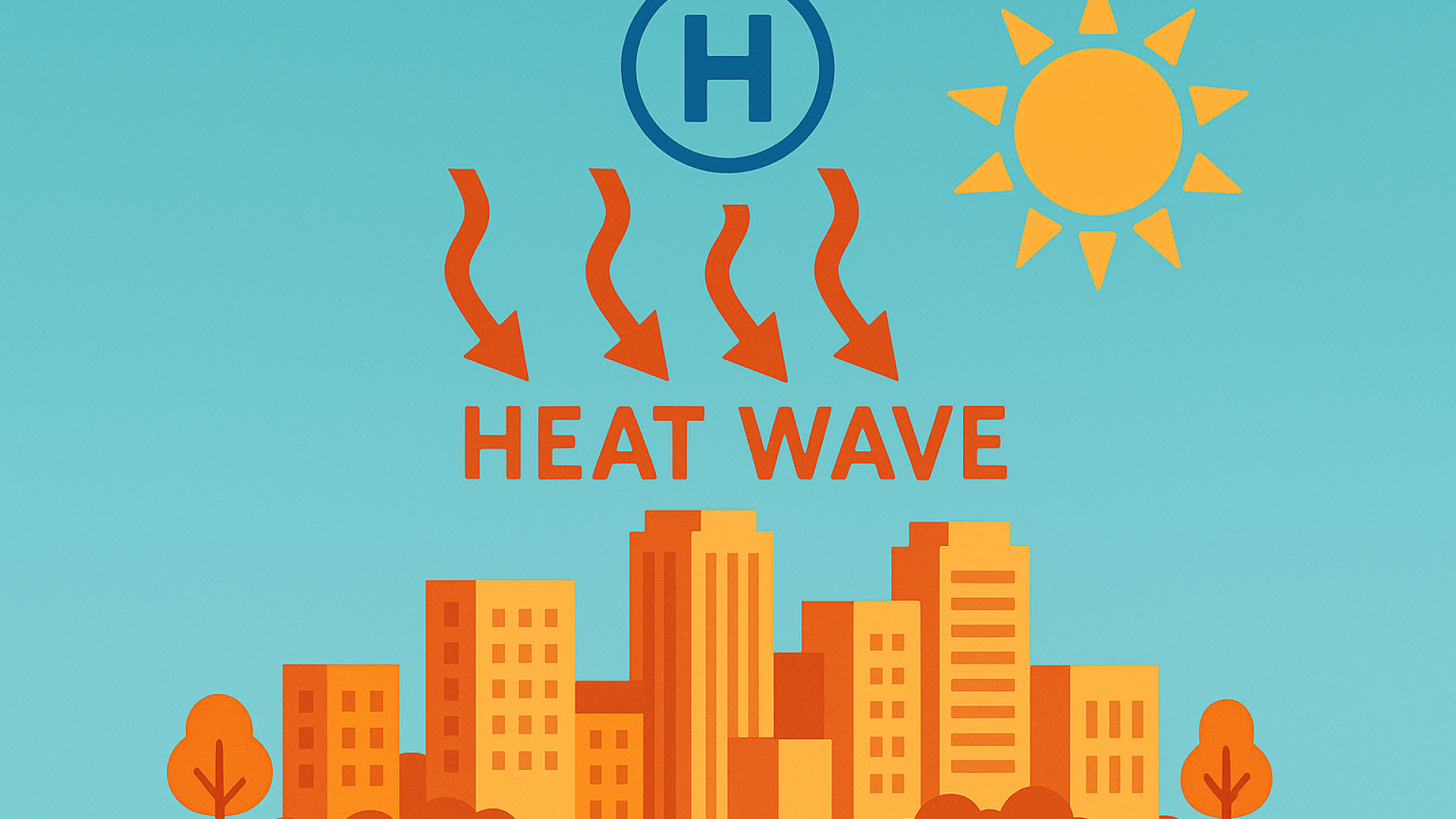
In March 2026, many regions around the world experienced an unusual heat wave, with temperatures soaring well above seasonal averages. This unexpected weather phenomenon has raised questions among scientists, policymakers, and the public about its causes and potential consequences. Understanding the science behind this early heat wave is crucial for preparing for similar events in the future and addressing broader climate challenges. This article delves deeply into the atmospheric dynamics, environmental impacts, and societal implications of the March 2026 heat wave, providing a comprehensive overview of this extraordinary event.
Context: What Is a Heat Wave and Why Is March Unusual?
A heat wave is typically defined as a prolonged period of excessively hot weather, which may be accompanied by high humidity. While heat waves are common in summer months, their occurrence in early spring, such as March, is relatively rare and can disrupt natural cycles, agriculture, and energy consumption patterns. The timing of a heat wave is critical because ecosystems and human activities are adapted to seasonal norms, and deviations can cause cascading effects.
March usually marks a transition period from winter to spring in the Northern Hemisphere, characterized by moderate temperatures and increasing daylight. The sudden spike in temperatures during this month is therefore unexpected and has prompted meteorologists to investigate the underlying atmospheric conditions. Early-season heat waves can catch populations unprepared, as infrastructure and public health measures are typically calibrated for warmer months later in the year.
The Core: The Science Behind the March 2026 Heat Wave
High-Pressure Systems and Their Role
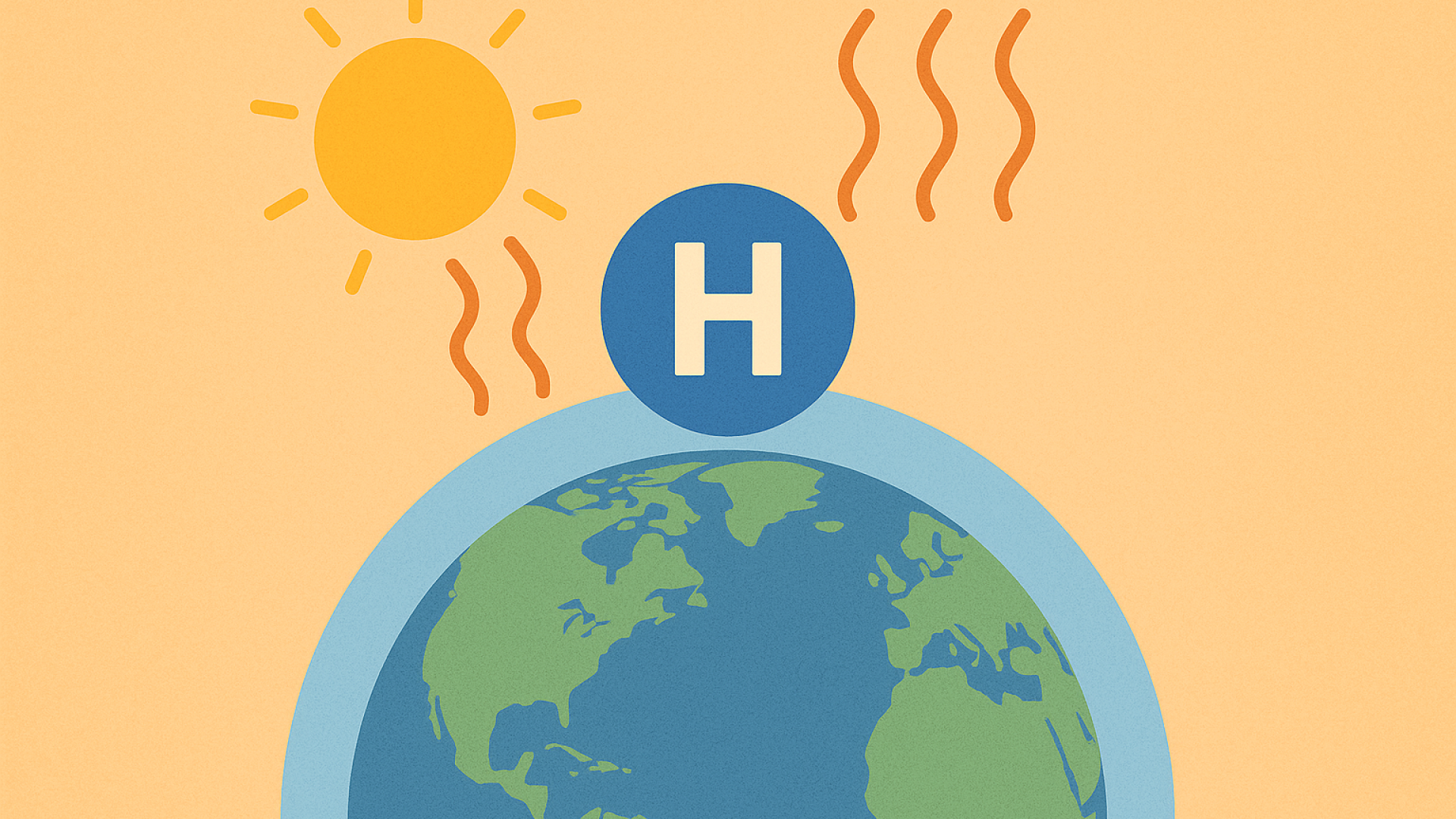
Central to the March 2026 heat wave is the presence of a persistent high-pressure system, also known as an anticyclone, over key regions affected by the heat. High-pressure systems are areas where atmospheric pressure is higher than surrounding areas, leading to sinking air that suppresses cloud formation and precipitation. This phenomenon creates clear skies and stable atmospheric conditions.
This sinking air compresses and warms as it descends, resulting in clear skies and increased solar radiation reaching the surface. The lack of clouds means less reflection of sunlight, allowing temperatures to rise significantly during the day. Additionally, the stable air mass inhibits convective activity, preventing the formation of cooling thunderstorms that might otherwise moderate temperatures.
Why Did the High-Pressure System Persist?
Typically, high-pressure systems move or dissipate within days, but in March 2026, the system remained unusually stable and stationary. Several factors contributed to this persistence:
- Jet Stream Patterns: The polar jet stream, a fast-flowing air current that influences weather systems, exhibited a pronounced ridge over the affected areas. This ridge acted as a barrier, preventing the high-pressure system from moving eastward or weakening. The jet stream's unusual configuration was linked to broader atmospheric oscillations and anomalies in temperature gradients between the poles and mid-latitudes.
- Sea Surface Temperatures: Warmer-than-average sea surface temperatures in adjacent ocean regions provided additional heat and moisture, reinforcing the high-pressure system's stability. These elevated temperatures contributed to altered atmospheric pressure patterns and enhanced the thermal contrast that supported the anticyclone's persistence.
- Climate Change Influence: While individual weather events cannot be solely attributed to climate change, the increasing frequency and intensity of such anomalies align with broader trends linked to global warming. The gradual rise in global temperatures affects atmospheric circulation patterns, potentially increasing the likelihood of prolonged high-pressure systems and unseasonal heat waves.
Geographical Impact and Temperature Records
The heat wave affected multiple continents, including parts of North America, Europe, and Asia. Some cities recorded temperatures 10 to 15 degrees Celsius above their historical March averages, shattering long-standing records. For example, metropolitan areas in southern Europe experienced temperatures typically seen in late spring or early summer, while parts of the central United States saw unprecedented warmth for the month.
These extremes led to early blooming of plants, increased energy demand for cooling, and heightened health risks for vulnerable populations. The early onset of warm conditions also disrupted migratory patterns of certain bird species and altered soil moisture levels, impacting agricultural productivity and natural ecosystems.
Broader Implications of Early Heat Waves
Environmental and Agricultural Effects
Early heat waves can disrupt ecosystems by altering plant and animal life cycles. For agriculture, premature warmth can cause early flowering or growth, which may be damaged by subsequent frosts, reducing crop yields and affecting food security. The mismatch between plant development and pollinator activity can further exacerbate these challenges.
Moreover, soil moisture depletion due to increased evaporation during heat waves can stress crops and reduce water availability. This can lead to longer-term impacts on agricultural sustainability, especially in regions already vulnerable to drought.
Public Health Concerns
Heat waves pose significant health risks, including heat exhaustion, dehydration, and exacerbation of chronic conditions such as cardiovascular and respiratory diseases. Early-season heat waves catch communities off guard, as infrastructure and public health systems may not be fully prepared for cooling demands or heat-related emergencies. Vulnerable populations, including the elderly, children, and those with pre-existing health conditions, are particularly at risk.
Additionally, the psychological stress associated with unexpected extreme heat can affect mental health, increasing anxiety and reducing overall well-being. Public health messaging and community support systems need to adapt to these emerging challenges.
Energy and Economic Impact
Sudden increases in temperature lead to spikes in electricity consumption due to air conditioning use, straining power grids. This can result in higher energy prices and potential blackouts, impacting economic productivity and daily life. The increased demand for cooling also raises greenhouse gas emissions if fossil fuel-based energy sources are predominant, creating a feedback loop that exacerbates climate change.
Economic sectors such as agriculture, retail, and outdoor labor are also affected by heat waves, with reduced worker productivity and increased health-related absences. Insurance claims related to heat damage and health emergencies may rise, placing additional burdens on financial systems.
Solutions and Preparedness Strategies
Improved Weather Forecasting and Early Warning Systems
Advancements in meteorological modeling allow for better prediction of unusual weather patterns. Investing in early warning systems can help communities prepare for heat waves, even outside typical seasons. Enhanced data collection, including satellite observations and ground-based sensors, improves forecast accuracy and lead times.
Integrating these forecasts with public alert systems ensures timely dissemination of information, enabling individuals and organizations to take protective actions. Collaboration between meteorological agencies, health departments, and emergency services is essential for effective response.
Urban Planning and Infrastructure Adaptation
Cities can mitigate heat impacts through green infrastructure, such as planting trees, creating shaded areas, and using reflective building materials. These measures reduce urban heat islands and improve resilience. Incorporating water features and designing buildings for natural ventilation further help moderate temperatures.
Retrofitting existing infrastructure to withstand heat stress, including roads, bridges, and public transportation, is also critical. Urban planning that prioritizes climate resilience can reduce vulnerability to future heat waves and improve overall livability.
Public Health Initiatives
Health agencies should develop heat action plans that include public education, cooling centers, and targeted support for vulnerable groups. Early-season heat waves require flexible and responsive health strategies that can be activated outside traditional summer months.
Community outreach programs can raise awareness about heat risks and promote behaviors that reduce exposure, such as staying hydrated and avoiding outdoor activities during peak heat. Training healthcare providers to recognize and treat heat-related illnesses is equally important.
Climate Change Mitigation and Adaptation
Addressing the root causes of changing weather patterns involves global efforts to reduce greenhouse gas emissions and implement adaptation measures. This includes transitioning to renewable energy, enhancing carbon sinks through reforestation and soil management, and fostering international cooperation on climate policies.
Adaptation strategies also encompass building resilient agricultural systems, protecting natural ecosystems, and investing in sustainable water management. These efforts collectively reduce the likelihood and severity of future extreme heat events.
Conclusion
The March 2026 heat wave serves as a stark reminder of the complex interplay between atmospheric dynamics and climate change. Understanding the science behind such events is essential for developing effective responses that protect people, economies, and ecosystems. As unusual weather patterns become more frequent, proactive measures in forecasting, infrastructure, health, and climate policy will be critical to building resilience against future heat waves.
By learning from the March 2026 event, societies can better anticipate and mitigate the impacts of early-season heat waves, ensuring safer and more sustainable futures in a warming world.