 1 day ago
Introduction
As global energy markets continue to experience significant volatility, the Strait of Hormuz has once again emerged as a critical flashpoint of international concern. On March 15, 2026, the U.S. Energy Secretary issued a cautionary statement regarding the unpredictability of oil prices, emphasizing that no guarantees can be made about price stability amid ongoing geopolitical tensions in this vital maritime chokepoint. This warning highlights the fragile nature of global energy security and the complex interplay between geopolitics and market dynamics.
Context: The Strategic Importance of the Strait of Hormuz
The Strait of Hormuz is a narrow but crucial waterway that connects the Persian Gulf to the Gulf of Oman and the Arabian Sea. It serves as a vital passage for approximately one-fifth of the world's petroleum supply, making it one of the most strategically important maritime routes globally. The strait’s narrow geography—only about 21 miles wide at its narrowest point—means that any disruption can have outsized effects on the flow of oil and liquefied natural gas (LNG) from major producers such as Saudi Arabia, Iran, Iraq, Kuwait, and the United Arab Emirates.
Given its significance, the Strait of Hormuz has historically been a hotspot for geopolitical tensions, particularly involving Iran and its neighboring countries, as well as global powers with vested interests in the region. The potential for blockades, military confrontations, or attacks on oil tankers in this corridor has repeatedly triggered concerns about supply disruptions, which in turn cause fluctuations in global oil prices and ripple effects throughout the world economy.
Current Geopolitical Tensions and Their Impact
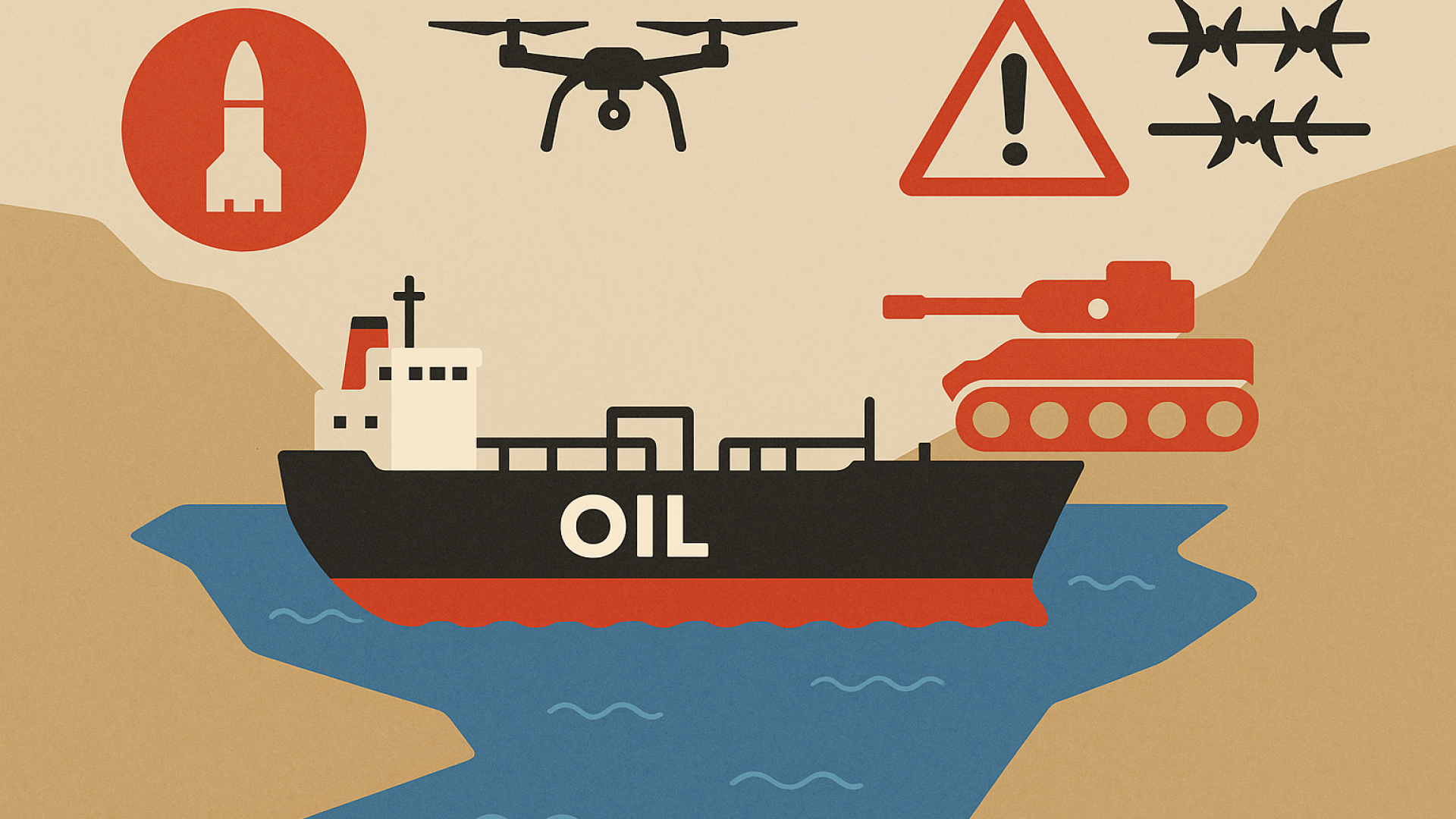
In early 2026, tensions in the Strait of Hormuz escalated following a series of incidents involving naval forces and commercial vessels. These events included confrontations between Iranian naval units and coalition forces, as well as reported attacks on oil tankers transiting the strait. Such incidents have raised alarms about the security of oil shipments and the possibility of a broader conflict that could severely disrupt supply chains.
The U.S. Energy Secretary’s recent remarks reflect these growing concerns. By stating that there are "no guarantees on oil prices," the Secretary acknowledges the inherent uncertainty in forecasting energy markets under such volatile geopolitical conditions. This uncertainty poses significant challenges not only for policymakers tasked with ensuring energy security but also for businesses, investors, and consumers who rely on stable energy costs for planning and economic stability.
Core Issues Affecting Oil Price Stability
- Supply Disruptions: The Strait of Hormuz is a chokepoint through which nearly 21 million barrels of oil per day pass. Any blockade, military conflict, or attack on tankers could significantly reduce the flow of oil, tightening global supply and pushing prices upward. Even temporary disruptions can lead to panic buying and stockpiling, exacerbating price volatility.
- Market Speculation: Financial markets often react swiftly to geopolitical news, with traders engaging in speculative activities that can cause price swings beyond what supply-demand fundamentals would justify. This speculative behavior can amplify volatility, making it harder for market participants to predict price trends accurately.
- Global Demand Fluctuations: Economic growth rates in major oil-consuming countries such as China, the United States, and India heavily influence oil demand. Slower growth or recessionary pressures can dampen demand and ease price pressures, while robust growth can increase consumption and push prices higher. The interplay between demand and geopolitical risk creates a complex pricing environment.
- Alternative Energy Developments: Advances in renewable energy technologies, energy efficiency measures, and shifts in energy policy can moderate long-term oil demand. However, the short-term impact of these developments remains uncertain, especially as many economies still rely heavily on fossil fuels. The pace of energy transition will influence how vulnerable global markets remain to oil price shocks.
Potential Solutions and Strategic Responses
Addressing the volatility in oil prices amid the ongoing tensions in the Strait of Hormuz requires a comprehensive and multifaceted approach involving diplomatic, strategic, and market-based measures:
- Diplomatic Engagement: Sustained dialogue between regional powers, including Iran and its neighbors, as well as international stakeholders such as the United States, European Union, and Gulf Cooperation Council, is essential to de-escalate tensions. Confidence-building measures and agreements to ensure the safe passage of commercial vessels can reduce the risk of conflict and reassure markets.
- Strategic Reserves: Countries with strategic petroleum reserves can utilize these stockpiles to buffer against sudden supply shocks. The release of reserves can help stabilize markets temporarily, providing time for diplomatic solutions and alternative supply arrangements to take effect.
- Diversification of Supply Routes: Investing in alternative pipelines, such as those bypassing the Strait of Hormuz, and developing new shipping routes can reduce dependence on this vulnerable chokepoint. Projects like the East-West pipeline in Saudi Arabia and the expansion of port facilities in Oman are examples of efforts to diversify export pathways.
- Energy Transition Acceleration: Promoting the adoption of renewable energy sources, electric vehicles, and energy efficiency can lessen the global economy’s vulnerability to oil market disruptions over the long term. Accelerating the energy transition also aligns with climate goals and reduces geopolitical risks associated with fossil fuel dependence.
- Market Transparency: Enhancing data sharing, market monitoring, and transparency can reduce speculative volatility by providing clearer and more timely information to market participants. International cooperation on reporting production, inventories, and shipping data can improve market confidence and reduce uncertainty.
Broader Implications for the Global Economy
Uncertainty in oil prices has far-reaching implications beyond the energy sector. Rising oil prices contribute to inflationary pressures by increasing transportation and production costs, which can reduce consumer spending and slow economic growth. For emerging economies that rely heavily on oil imports, price spikes can exacerbate balance of payments deficits and strain fiscal budgets, potentially leading to social unrest.
Conversely, oil-exporting nations face revenue instability when prices fluctuate unpredictably, complicating fiscal planning and economic development efforts. This volatility can affect government spending on social programs and infrastructure, impacting long-term growth prospects.
The U.S. Energy Secretary’s warning serves as a timely reminder of the interconnectedness of geopolitical stability and economic health. Policymakers must carefully balance immediate security concerns with long-term energy strategies to mitigate risks and promote resilience in global energy markets.
Conclusion
As the situation in the Strait of Hormuz remains fluid and unpredictable, the global community faces the ongoing challenge of navigating a complex and volatile energy landscape. The U.S. Energy Secretary’s candid acknowledgment of the lack of guarantees on oil prices underscores the need for vigilance, cooperation, and innovation in energy policy. While short-term volatility may persist due to geopolitical tensions, strategic efforts focused on diplomatic engagement, supply diversification, energy transition, and market transparency can help cushion the impact on economies and consumers worldwide. Ultimately, fostering stability in this critical region is essential not only for energy security but also for global economic prosperity and geopolitical peace.