 1 day ago
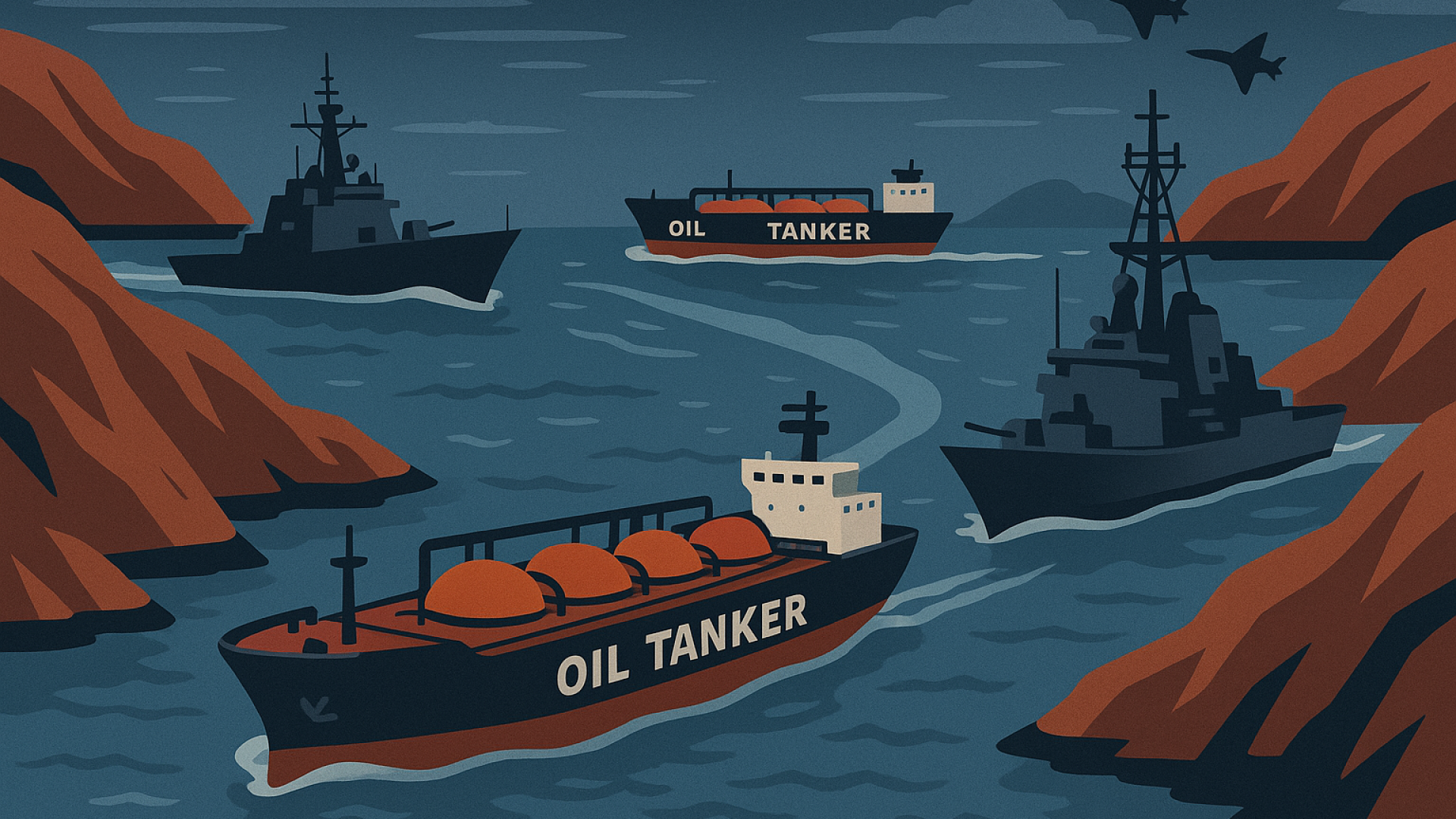
The Strait of Hormuz, a narrow but strategically vital waterway connecting the Persian Gulf with the Gulf of Oman and the Arabian Sea, has once again become a focal point of global energy security concerns. In early 2026, escalating tensions in this critical maritime chokepoint have cast a shadow over the stability of oil markets worldwide. The U.S. Energy Secretary recently emphasized the unpredictability of oil prices amid these developments, signaling the complex and precarious nature of energy supply chains in a volatile geopolitical environment.
Context: The Strait of Hormuz and Its Global Significance
The Strait of Hormuz is one of the world's most important oil transit routes, with approximately 20% of global petroleum passing through it daily. This narrow passage, bordered by Iran to the north and the United Arab Emirates and Oman to the south, is crucial for the export of crude oil from major producers in the Persian Gulf region, including Saudi Arabia, Iraq, Kuwait, and the UAE.
Given its strategic importance, any disruption in the Strait can have immediate and far-reaching impacts on global energy markets, affecting everything from crude oil prices to the stability of economies heavily reliant on energy imports. Historically, the Strait has been a flashpoint for geopolitical tensions, particularly involving Iran and Western powers, with incidents ranging from naval confrontations to threats of blockades.
Its significance extends beyond just oil transit; the Strait is also a vital artery for liquefied natural gas (LNG) shipments and other energy commodities, making it a linchpin in global energy security. The concentration of such a large volume of energy exports through a single, narrow maritime corridor inherently creates vulnerabilities that reverberate across international markets.
Recent Developments: Rising Tensions and Their Implications
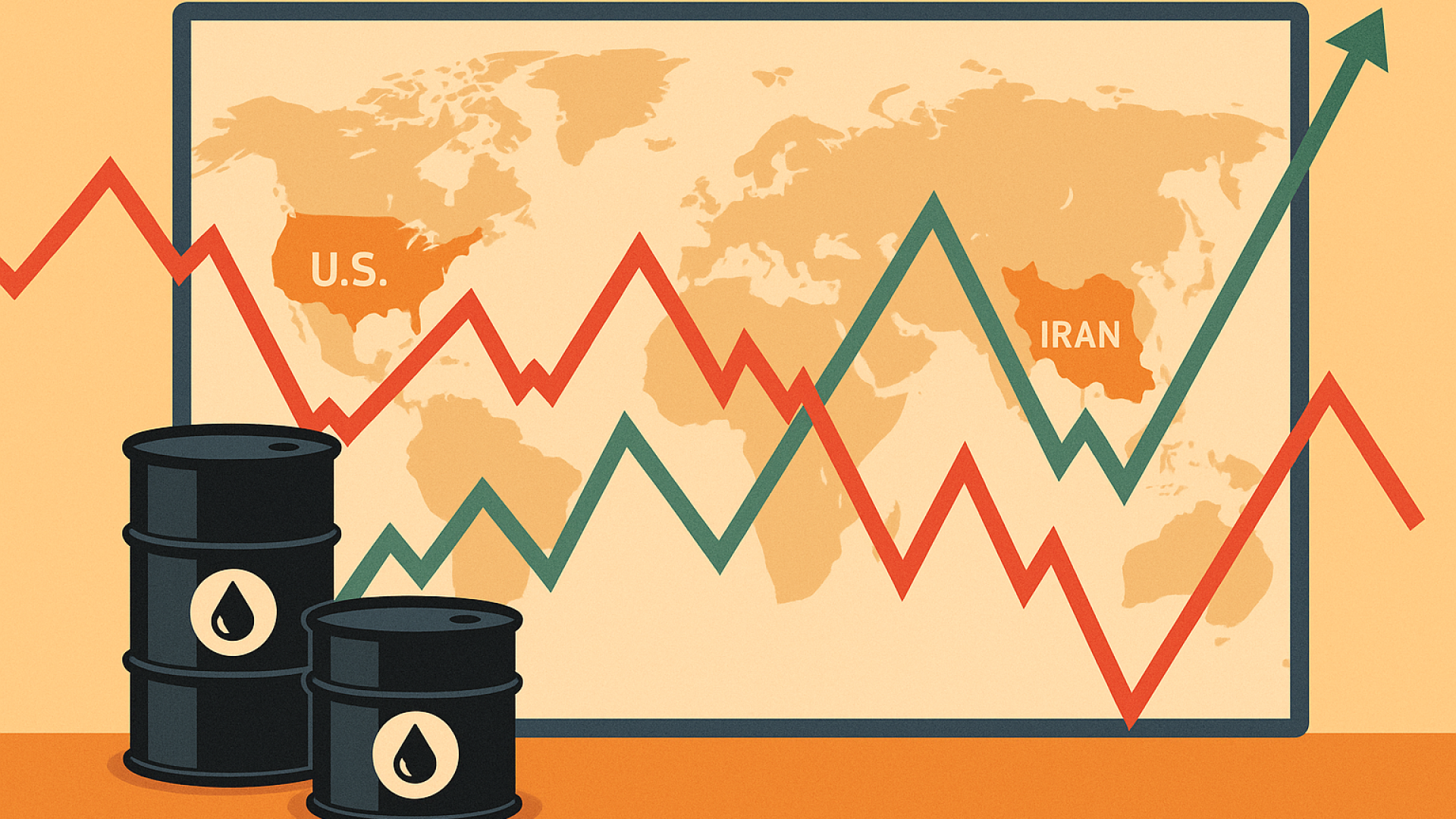
In early 2026, reports of increased military activity and heightened rhetoric between Iran and the United States have raised alarms about the potential for conflict in the region. These developments include naval exercises, the deployment of additional military assets, and public statements warning of possible restrictions on maritime traffic. The U.S. Energy Secretary's recent remarks underscored the uncertainty surrounding oil prices, noting that no guarantees could be made about price stability given the evolving situation.
This uncertainty stems from several factors:
- Potential Disruptions to Oil Transit: Any attempt to block or restrict passage through the Strait could severely limit the flow of crude oil, leading to supply shortages and price spikes. Such disruptions could be intentional, as a form of geopolitical leverage, or accidental, resulting from military confrontations or miscalculations.
- Market Volatility: Traders and investors often react swiftly to geopolitical risks, causing fluctuations in oil futures and related financial instruments. This volatility can exacerbate economic uncertainty, affecting investment decisions and consumer confidence globally.
- Strategic Responses: Countries dependent on Gulf oil are exploring alternative supply routes and stockpiling reserves to mitigate risks. These measures, while prudent, also reflect the broader anxiety about the reliability of traditional supply chains.
Moreover, the situation has prompted increased dialogue among international stakeholders, including OPEC members, consumer nations, and multinational corporations, all seeking to understand and manage the potential fallout from any escalation.
Core Challenges: Energy Security and Economic Stability
The situation in the Strait of Hormuz highlights several core challenges facing the global energy landscape in 2026:
- Dependence on a Vulnerable Chokepoint: The concentration of oil transit through a single narrow passage makes the global supply chain susceptible to disruption. This geographic bottleneck underscores the risks inherent in current energy infrastructure and trade patterns.
- Geopolitical Rivalries: Ongoing tensions between Iran and the U.S., along with broader regional dynamics involving countries such as Saudi Arabia, the UAE, and others, complicate efforts to ensure safe passage and stable markets. These rivalries are often intertwined with broader political and security issues, making resolution complex.
- Price Uncertainty and Inflationary Pressures: Volatile oil prices can contribute to inflation, affecting consumer costs and economic growth worldwide. Energy price shocks often ripple through transportation, manufacturing, and food production sectors, amplifying economic challenges.
- Energy Transition Challenges: While renewable energy adoption is increasing, many economies remain heavily reliant on oil, limiting their ability to quickly adapt to supply shocks. The pace of transition varies widely, with developing nations facing particular hurdles in shifting energy mixes.
- Supply Chain and Infrastructure Constraints: Beyond the Strait itself, global energy infrastructure—including refineries, pipelines, and shipping fleets—faces capacity and maintenance challenges that can exacerbate vulnerabilities during crises.
Potential Solutions and Strategic Responses
Addressing the risks posed by instability in the Strait of Hormuz requires a multifaceted approach involving diplomacy, strategic planning, and market adaptation:
- Diplomatic Engagement: Renewed efforts to de-escalate tensions through dialogue and negotiation can reduce the risk of conflict and ensure the safe passage of oil tankers. Multilateral forums and back-channel communications may play critical roles in fostering understanding and compromise.
- Enhanced Naval Security: International cooperation to patrol and secure the Strait could deter aggressive actions and reassure markets. Joint naval exercises and coordinated maritime security initiatives can help maintain freedom of navigation.
- Diversification of Supply Routes: Developing alternative pipelines and shipping routes, such as through the Red Sea, overland pipelines across neighboring countries, or expanding LNG exports from other regions, can reduce dependence on the Strait. Investments in infrastructure to support these alternatives are gaining momentum.
- Strategic Petroleum Reserves: Countries can bolster their reserves to cushion the impact of temporary supply disruptions. Coordinated releases of these reserves have historically helped stabilize markets during crises.
- Accelerating Energy Transition: Investing in renewable energy, energy efficiency, and emerging technologies can reduce long-term vulnerability to oil market shocks. Policies promoting clean energy adoption, grid modernization, and electrification of transport are critical components.
- Market Mechanisms and Financial Instruments: Enhanced use of hedging strategies, futures contracts, and insurance products can help market participants manage price risks associated with geopolitical uncertainties.
Looking Ahead: Balancing Risks and Opportunities
The situation in the Strait of Hormuz serves as a reminder of the intricate linkages between geopolitics, energy security, and economic stability. While the immediate outlook remains uncertain, proactive measures by governments, industry stakeholders, and international organizations can help mitigate risks and enhance resilience.
For consumers and businesses alike, understanding these dynamics is crucial for navigating the evolving energy landscape. The interplay between short-term geopolitical developments and long-term energy transition goals presents both challenges and opportunities. Strategic foresight and adaptive policies will be essential to balance energy affordability, security, and sustainability.
As the world continues to grapple with the dual challenges of geopolitical instability and the urgent need for sustainable energy solutions, the lessons learned from the Strait of Hormuz will likely shape policies and market strategies for years to come. Enhanced collaboration across borders, sectors, and disciplines will be vital to building a more secure and resilient global energy system.
In conclusion, the U.S. Energy Secretary's candid acknowledgment of the unpredictability of oil prices amid Strait of Hormuz tensions underscores the importance of vigilance, cooperation, and innovation in securing energy futures. While no guarantees exist in such a complex environment, a combination of diplomatic efforts, strategic planning, and accelerated energy transition offers the best path forward to safeguard global energy security and economic well-being. Stakeholders must remain engaged and flexible to respond effectively to evolving risks and to seize emerging opportunities in the global energy landscape.