 3 days ago
Introduction
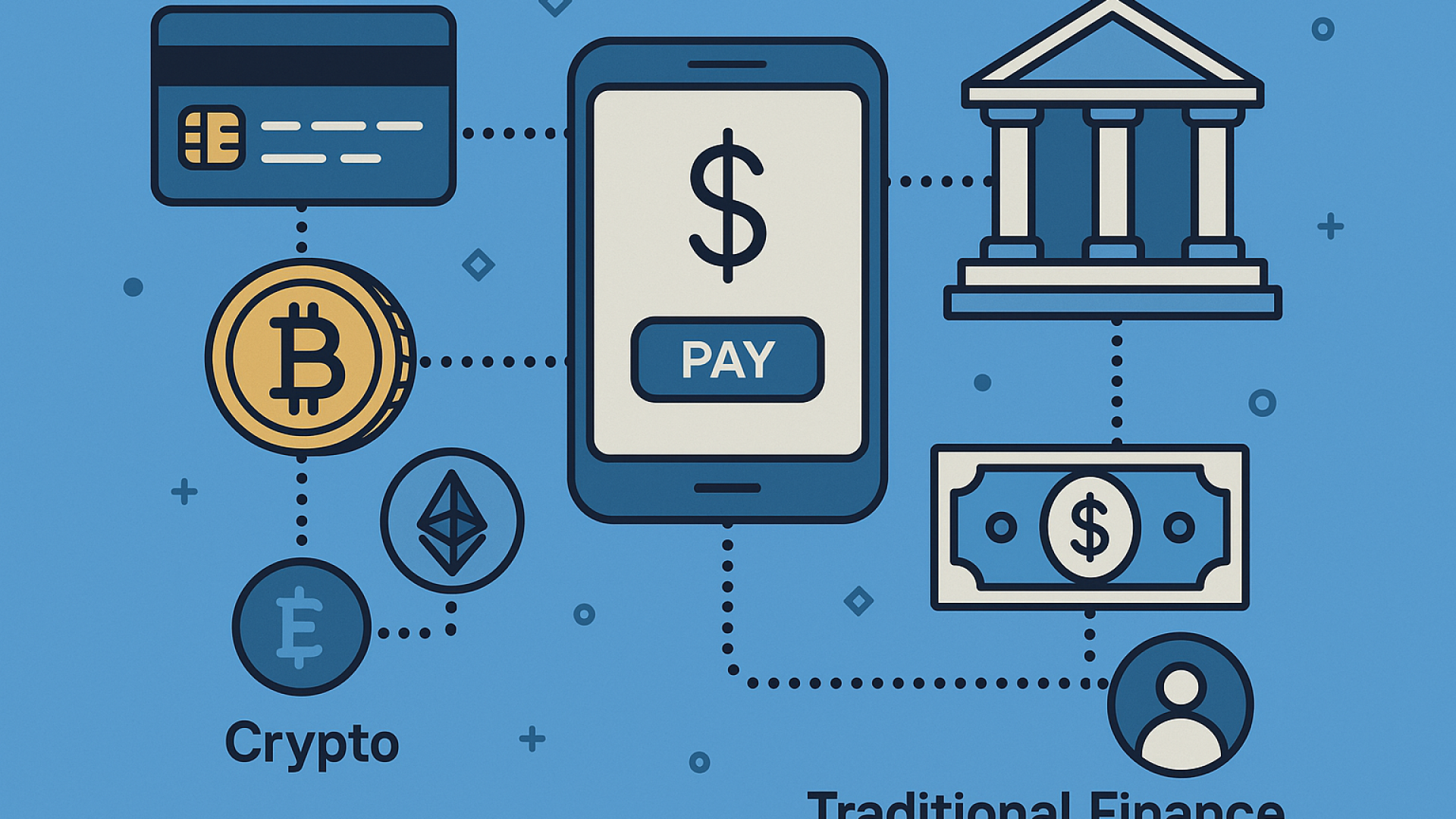
On March 12, 2026, Mastercard announced the launch of its Crypto Partner Program, a strategic initiative designed to deepen its engagement with the rapidly evolving digital asset ecosystem. This program brings together more than 85 digital asset and payments companies, aiming to foster innovation, enhance crypto adoption, and provide seamless integration of cryptocurrencies into everyday financial transactions. By creating a collaborative environment, Mastercard seeks to bridge the gap between traditional financial services and the burgeoning world of digital currencies, positioning itself at the forefront of the next wave of payment technology.
Context: The Rise of Digital Assets and Payment Innovation
The past decade has witnessed a remarkable transformation in the financial landscape, driven largely by the emergence of cryptocurrencies and blockchain technology. Digital assets, once considered niche and speculative, have increasingly become mainstream, with growing acceptance by consumers, merchants, and financial institutions alike. This shift has been fueled by advancements in technology, increased regulatory clarity in some regions, and a growing demand for faster, more transparent, and borderless payment solutions.
Mastercard, as one of the world’s leading payment networks, has been actively exploring ways to integrate digital currencies into its infrastructure. The launch of the Crypto Partner Program reflects the company’s commitment to staying at the forefront of payment innovation while addressing the challenges and opportunities presented by the crypto economy. This initiative is part of Mastercard’s broader strategy to embrace emerging technologies and ensure that its network remains relevant and competitive in a rapidly changing financial ecosystem.
Core Elements of the Crypto Partner Program
The program is structured to create a collaborative ecosystem where Mastercard and its partners can co-develop solutions that bridge traditional finance and digital assets. Key components include:
- Partnership Network: Over 85 companies specializing in digital assets, blockchain infrastructure, crypto wallets, exchanges, and payment processors have joined the program, creating a diverse and dynamic network. This extensive partnership base enables Mastercard to leverage a wide range of expertise and technologies, fostering innovation and accelerating the development of new crypto-enabled payment solutions.
- Technology Integration: The program facilitates the integration of Mastercard’s payment network with partners’ platforms, enabling crypto payments to be processed with the same speed and security as traditional transactions. This seamless integration ensures that users can transact with cryptocurrencies effortlessly, without compromising on the reliability and convenience they expect from Mastercard’s services.
- Regulatory Compliance: Given the complex regulatory environment surrounding cryptocurrencies, the program emphasizes compliance and risk management, helping partners navigate legal frameworks across jurisdictions. Mastercard provides guidance and resources to ensure that all participants adhere to relevant laws and standards, thereby enhancing trust and reducing the risk of illicit activities.
- Consumer Accessibility: By leveraging Mastercard’s global reach, the program aims to make crypto payments accessible to a broader audience, including unbanked and underbanked populations. This focus on inclusion aligns with Mastercard’s mission to expand financial access and empower individuals worldwide through innovative payment solutions.
Implications for the Financial Industry
The launch of the Crypto Partner Program signals a significant shift in how traditional financial institutions approach digital assets. It highlights several important trends:
- Mainstream Adoption: Mastercard’s involvement lends credibility to cryptocurrencies, encouraging more businesses and consumers to consider digital assets as viable payment options. This endorsement by a major payment network helps reduce skepticism and promotes wider acceptance across various sectors.
- Innovation Acceleration: Collaboration between established payment networks and crypto companies accelerates the development of new products and services, such as crypto-backed credit cards and instant settlement solutions. These innovations have the potential to transform how payments are made, making them faster, more secure, and more versatile.
- Enhanced Security and Trust: Mastercard’s robust security protocols and compliance frameworks help mitigate risks associated with crypto transactions, addressing concerns about fraud and money laundering. By integrating advanced security measures, the program aims to build consumer confidence and protect the integrity of the payment ecosystem.
- Financial Inclusion: By integrating crypto payments into its network, Mastercard can extend financial services to populations traditionally excluded from the banking system. Digital assets offer an alternative means of participation in the global economy, especially in regions where traditional banking infrastructure is limited.
Challenges and Considerations
Despite the promising outlook, several challenges remain:
- Regulatory Uncertainty: Varying regulations across countries create complexity for global crypto payment solutions, requiring ongoing dialogue with regulators. Navigating this patchwork of rules demands flexibility and proactive engagement to ensure compliance and foster innovation.
- Volatility of Digital Assets: The inherent price volatility of cryptocurrencies poses risks for both consumers and merchants, necessitating mechanisms to manage exposure. Without effective solutions, this volatility could hinder widespread adoption and limit the practical use of crypto payments.
- Technological Integration: Ensuring seamless interoperability between legacy payment systems and blockchain networks requires significant technical innovation. Overcoming these integration challenges is critical to delivering a smooth user experience and maintaining operational efficiency.
- Consumer Education: Widespread adoption depends on educating users about the benefits and risks of using digital assets for payments. Building awareness and trust is essential to overcoming misconceptions and encouraging responsible usage.
Potential Solutions and Future Directions
To address these challenges, Mastercard and its partners are exploring several strategies:
- Stablecoin Utilization: Promoting the use of stablecoins pegged to fiat currencies to reduce volatility in transactions. Stablecoins offer a more predictable value, making them suitable for everyday payments and reducing risk for all parties involved.
- Regulatory Collaboration: Engaging proactively with policymakers to shape balanced regulations that protect consumers without stifling innovation. This collaborative approach aims to create a supportive environment for the growth of crypto payments.
- Advanced Security Measures: Implementing multi-layered security protocols, including biometric authentication and AI-driven fraud detection. These technologies enhance protection against unauthorized access and fraudulent activities, safeguarding users and merchants.
- Educational Initiatives: Launching campaigns and resources to increase consumer awareness and confidence in crypto payments. By providing clear information and guidance, Mastercard hopes to empower users to make informed decisions and adopt digital assets responsibly.
Conclusion
Mastercard’s Crypto Partner Program represents a pivotal moment in the convergence of traditional finance and the digital asset economy. By fostering collaboration with a broad network of crypto companies, Mastercard is positioning itself as a leader in the next generation of payment solutions. While challenges remain, the program’s emphasis on innovation, security, and inclusion offers a promising pathway toward mainstream adoption of cryptocurrencies in everyday financial transactions.
As the digital asset landscape continues to evolve, initiatives like Mastercard’s will play a crucial role in shaping the future of global payments, making them more accessible, efficient, and secure for consumers and businesses worldwide. The program not only reflects Mastercard’s commitment to embracing technological advancements but also underscores the transformative potential of digital assets to redefine how value is exchanged across the globe.