
 14 hours ago
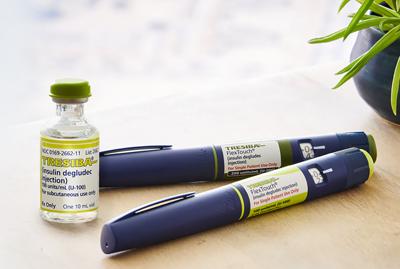
For the 40 million Americans living with diabetes, researchers are exploring treatments beyond lifelong insulin injections.
One promising approach involves reprogramming a patient’s own cells into insulin-producing beta cells. A 2024 study reported a patient with Type 1 diabetes remained insulin-independent for over a year following such treatment, sparking cautious optimism.
Though still experimental, personalized therapies like this could eventually offer safer, more durable alternatives to conventional treatments.
Insulin: An Imperfect Solution
Type 1 diabetes results from an autoimmune attack on pancreatic beta cells, causing absolute insulin deficiency. Type 2 diabetes is characterized by insulin resistance, where tissues respond poorly to insulin and the pancreas cannot meet the body's demand.
Uncontrolled blood sugar in both types can lead to serious complications such as cardiovascular disease, kidney failure, and nerve damage. While insulin injections are lifesaving, they are not a cure.
Dr. Taniya De Silva, an endocrinologist at LSU Health, explained that some Type 1 patients experience extreme blood sugar swings and dangerous hypoglycemia episodes. For Type 2 patients, large insulin doses can cause weight gain, potentially worsening insulin resistance.
Technologies like insulin pumps and continuous glucose monitors have improved glucose control but cannot replicate the precise regulation of healthy pancreatic tissue.
Toward a Functional Cure
This gap has led researchers to pursue replacing damaged cells with functional ones. A 2024 study from Peking University reported reversing diabetes in a patient by transforming her own stem cells into insulin-producing cells.
Stem cells can be chemically manipulated into various cell types, including pancreatic cells. Within three months of transplantation, the patient stopped insulin injections and tolerated foods previously avoided.
Notably, the study used the patient’s own cells, potentially avoiding immune rejection that has complicated earlier trials using donor tissue.
The procedure was less invasive, placing cells in abdominal fat rather than the pancreas, allowing insulin release into the bloodstream.
Earlier efforts like whole-pancreas transplants can restore insulin production for years but are limited by donor availability—only about 1,000 such transplants occur annually in the U.S.
Stem cell biology advances have enabled growing pancreatic tissue from donor cell lines, but recipients must take lifelong immunosuppressive drugs due to immune system attacks on insulin-producing cells, which carry significant risks.
Because the Peking University patient was already on immunosuppressive therapy, the durability of patient-derived cells without such drugs remains uncertain. The research team aims to engineer cells that evade autoimmune attacks.
Stem cell replacement may be even more effective for Type 2 diabetes, where autoimmunity is not the primary issue.
Skepticism and Practical Limits
Not all experts are convinced. Dr. Vivian Fonseca, assistant dean for clinical research at Tulane University Medical Center, cautioned that diabetes is complex with multiple factors, unlike single-gene diseases where stem cell cures are more straightforward.
De Silva is cautiously optimistic, saying, "Maybe in 20 years, it will be easy, cheap, and safe to create new pancreases for everyone. I would love that for my patients."
Fonseca also highlighted alternative bioengineered strategies, including gene therapy. Researchers at Tulane have identified genes involved in converting stem cells into beta cells, potentially boosting insulin production directly.
However, gene therapy faces ethical concerns and funding challenges. Fonseca remarked, "I'm not excited about a therapy that might cost a million dollars and only slightly reduces insulin doses. Just making you a little better doesn't cut it."
What This Means for Louisiana
Approximately 14.5% of Louisiana adults have diabetes, with over 90% having Type 2. The financial burden is estimated at $6.9 billion annually, making cost-effectiveness crucial in treatment decisions.
De Silva emphasized that if stem cell replacement becomes viable, it will likely be reserved for a small subset of patients. "It’s not going to be the first-line treatment for the massive Type 2 diabetes problem," she said, citing the therapy’s intensity and risks.
Scientists do not yet know how long the therapy could last, and it may be too expensive for widespread use. Meanwhile, affordable and effective medications like Metformin remain widely used with extensive safety data.
Some pharmaceutical companies, such as Vertex Pharmaceuticals, are advancing transplant cell therapies and seeking global approval, potentially as early as this year. However, these treatments still require immunosuppression until immune-protective methods improve.
For now, stem cell therapy represents a promising but uncertain frontier, offering hope for treating diabetes at its biological root but remaining years away from broad clinical application.