 1 hour ago
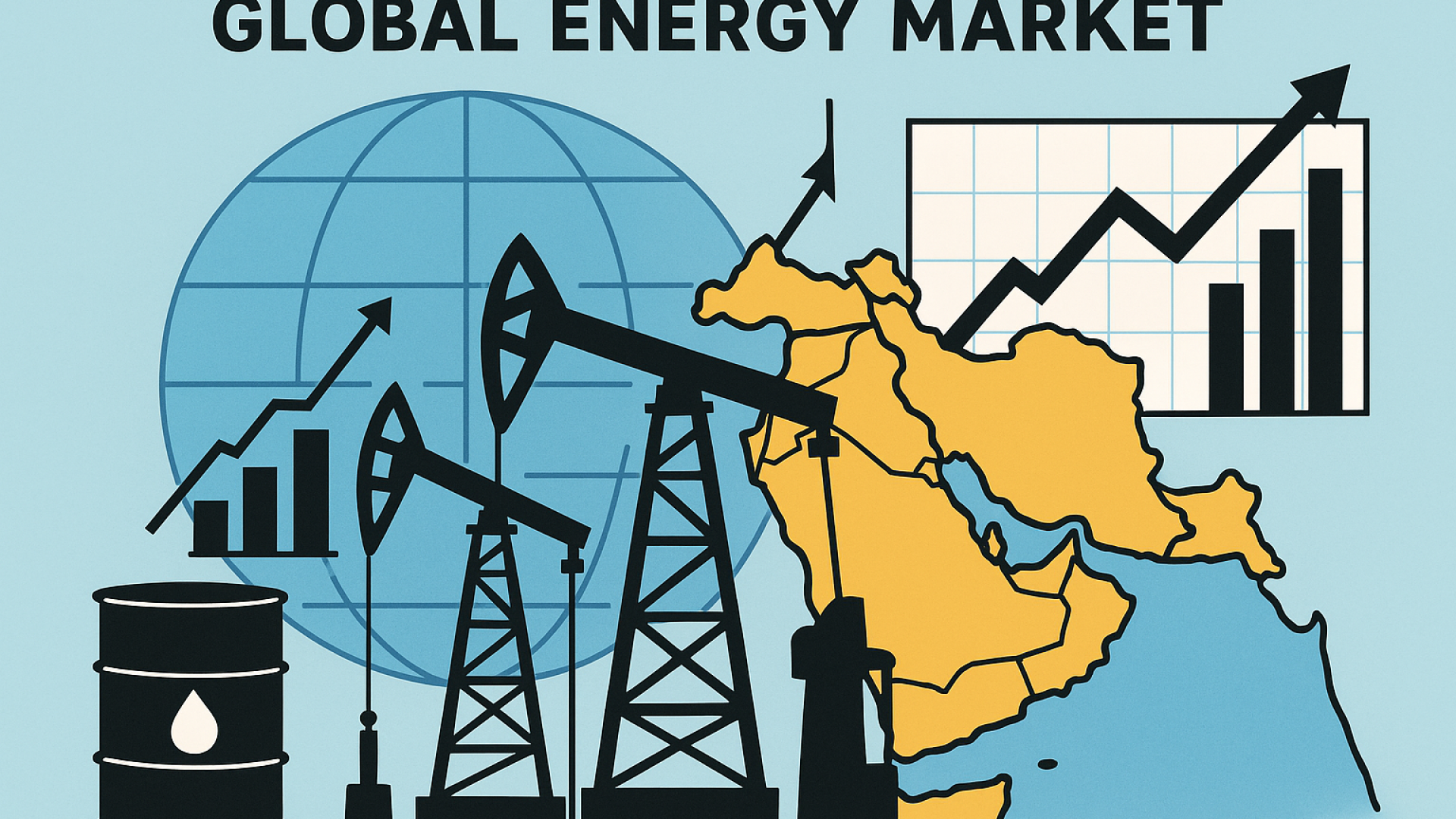
As of March 2026, the geopolitical tensions surrounding Iran have escalated into a conflict that is reverberating across global markets, particularly impacting the energy sector. One of the most significant financial ripples has been observed in the surge of stock sales from US shale companies. This development highlights the intricate link between international conflicts and financial markets, especially in energy-dependent economies.
Context: Rising Tensions and Market Sensitivities
The conflict involving Iran, which intensified in early 2026, has roots in longstanding regional disputes and recent provocations that have drawn international attention. Iran's strategic position as a major oil producer and its influence over critical shipping lanes in the Persian Gulf have made the situation particularly volatile for global energy supplies. The Strait of Hormuz, through which a significant portion of the world's oil passes, remains a focal point of tension, raising fears of potential blockades or attacks that could severely disrupt supply chains.
Investors worldwide are closely monitoring the situation, as any disruption in oil supply from the Middle East can lead to significant price volatility. The US shale industry, which has been a major contributor to domestic oil production over the past decade, finds itself at the crossroads of these geopolitical developments. While US shale production has helped reduce American dependence on foreign oil, it remains sensitive to global price fluctuations and market sentiment shaped by international events.
Core Analysis: Surge in US Shale Stock Sales
Data from early March 2026 indicates a marked increase in the volume of stock sales from US shale companies. Several factors contribute to this trend:
- Investor Risk Aversion: Heightened uncertainty about the duration and outcome of the Iran conflict has led investors to reduce exposure to energy stocks perceived as vulnerable to supply shocks and regulatory changes. Many institutional investors are reallocating portfolios toward safer assets or sectors less exposed to geopolitical risks.
- Market Volatility: Fluctuating oil prices have created an unpredictable environment, prompting portfolio adjustments to mitigate potential losses. The rapid swings in crude prices, driven by news of military escalations or diplomatic developments, have increased the perceived risk associated with shale companies.
- Shift in Energy Demand Expectations: Concerns about potential sanctions, embargoes, or retaliatory measures affecting oil exports have led to revised forecasts for shale production and profitability. Analysts are factoring in scenarios where prolonged conflict could dampen global demand or disrupt supply chains, impacting shale operators' revenue streams.
US shale companies, which rely on relatively high oil prices to sustain profitable operations, are particularly sensitive to these market dynamics. The surge in stock sales reflects a broader reassessment of risk and opportunity within the energy sector. Many shale firms operate with tight margins and high capital expenditure requirements, making them vulnerable to price shocks and investor sentiment shifts.
Broader Implications for the Energy Market and Economy
The ripple effects of the Iran conflict and the consequent market reactions extend beyond shale companies. Key implications include:
- Oil Price Fluctuations: Prices have experienced sharp swings, with spikes driven by supply concerns and dips influenced by demand uncertainty. This volatility complicates planning for producers and consumers alike, affecting everything from refinery operations to transportation costs.
- Energy Security Concerns: Countries dependent on Middle Eastern oil are exploring alternative sources and accelerating investments in energy diversification. Nations in Europe, Asia, and elsewhere are seeking to reduce reliance on unstable regions by increasing imports from other producers or boosting domestic production.
- Investment Shifts: Capital is flowing towards renewable energy and technologies aimed at reducing fossil fuel dependence, reflecting a strategic pivot in response to geopolitical risks. Investors are increasingly viewing renewables as a safer long-term bet amid fossil fuel market uncertainties.
- Economic Uncertainty: The energy sector's instability has broader economic implications, potentially slowing growth in energy-intensive industries and increasing inflationary pressures due to higher fuel costs.
Potential Solutions and Strategic Responses
Addressing the challenges posed by the Iran conflict and its impact on energy markets requires coordinated efforts across multiple fronts:
- Diplomatic Engagement: Renewed international diplomatic initiatives aimed at de-escalating tensions could stabilize the region and restore market confidence. Multilateral talks involving key stakeholders may help establish ceasefires or agreements to safeguard shipping lanes.
- Energy Diversification: Accelerating the transition to renewable energy sources and enhancing energy efficiency can reduce vulnerability to geopolitical shocks. Governments and private sectors are investing in solar, wind, and other clean technologies to build more resilient energy systems.
- Market Regulation and Support: Governments and financial institutions might consider mechanisms to support energy companies during periods of extreme volatility to maintain market stability. This could include financial aid, hedging programs, or regulatory adjustments to ease operational pressures.
- Strategic Reserves Management: Utilizing strategic petroleum reserves judiciously can help buffer short-term supply disruptions. Coordinated releases of reserves by major consuming countries can alleviate immediate shortages and calm markets.
- Technological Innovation: Investing in advanced extraction and production technologies can improve shale efficiency and reduce costs, helping companies better withstand market shocks.
Conclusion: Navigating Uncertainty in a Complex Global Landscape
The surge in stock sales from US shale companies amid the Iran conflict underscores the interconnectedness of geopolitics and financial markets. While the immediate future remains uncertain, the situation highlights the critical need for diversified energy strategies and robust diplomatic efforts. Investors, policymakers, and industry stakeholders must collaborate to navigate these challenges, balancing short-term market realities with long-term sustainability goals.
As the world watches developments in the Middle East, the lessons learned from this episode will likely shape energy policies and investment strategies for years to come, emphasizing resilience and adaptability in an increasingly complex global environment. The evolving dynamics also reinforce the importance of transparent communication between governments, corporations, and investors to foster confidence and stability in volatile times.
Ultimately, the Iran conflict serves as a stark reminder of how geopolitical events can swiftly alter economic landscapes, particularly in sectors as vital as energy. Building a more secure, diversified, and sustainable energy future remains paramount to mitigating such risks and ensuring global economic stability.