 6 days ago
Introduction
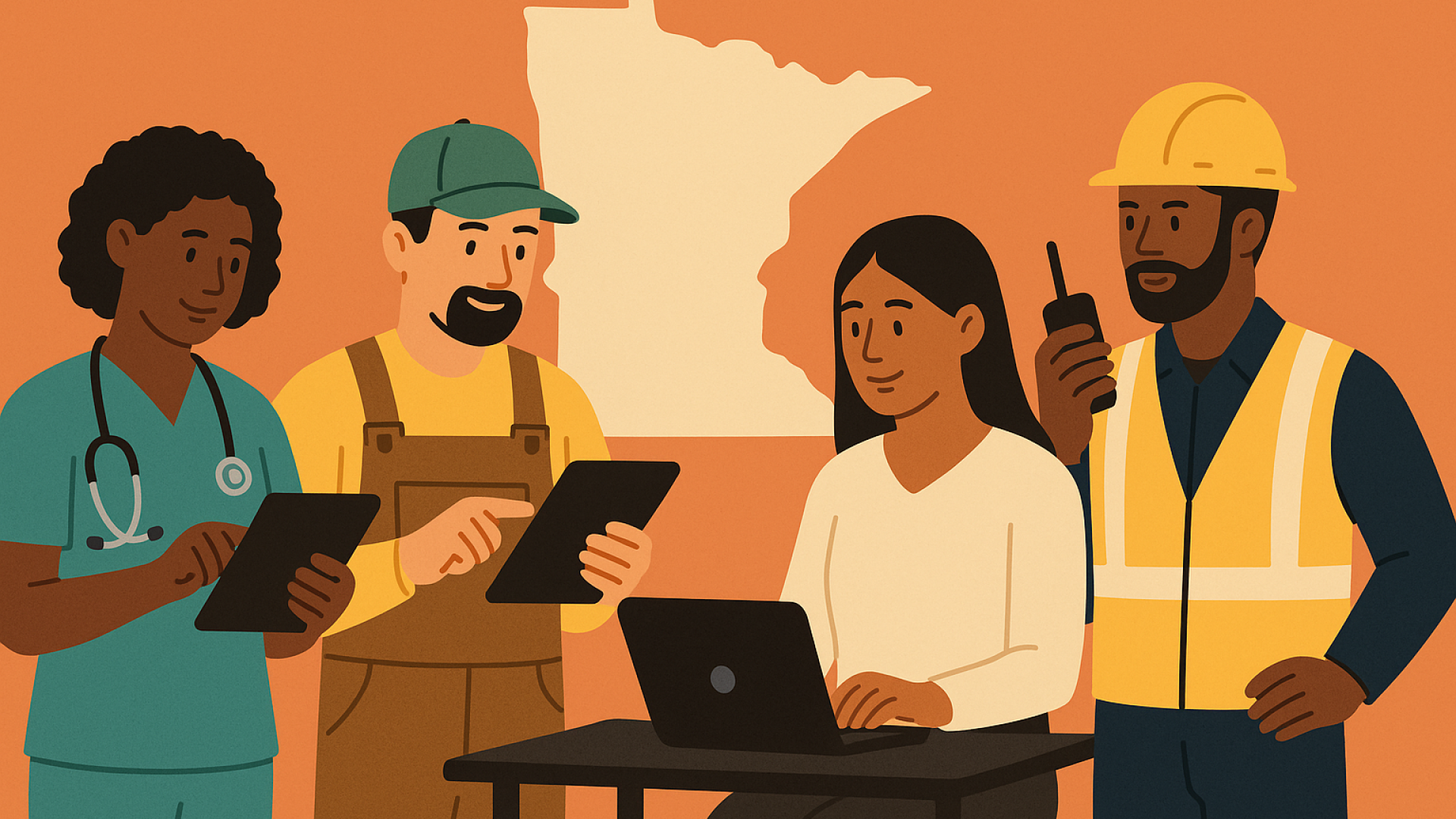
As we step into 2026, the state of Minnesota stands at a pivotal crossroads in its economic and social development. The rapid advancement of technology is reshaping how work is performed, who performs it, and the very nature of employment itself. From automation and artificial intelligence to remote work and digital platforms, these changes present both unprecedented opportunities and significant challenges for workers, employers, and policymakers alike. This transformation is not just a local phenomenon but part of a global shift that demands Minnesota’s workforce and industries to adapt swiftly and strategically.
Context: The Technological Shift in Minnesota's Workforce
Minnesota has long been recognized for its diverse economy, encompassing manufacturing, healthcare, agriculture, and a growing technology sector. However, the integration of new technologies into these industries is accelerating, driven by innovations such as robotics, machine learning, cloud computing, and 5G connectivity. These technologies are not only enhancing efficiency but also changing the skill sets required across various sectors.
According to recent reports, sectors like manufacturing are increasingly adopting automation to enhance productivity and reduce costs. Robotics and AI-powered machinery are performing tasks that were once labor-intensive, allowing companies to scale operations and improve quality control. Meanwhile, healthcare providers are leveraging telemedicine and AI diagnostics to improve patient care, making healthcare more accessible and personalized. The rise of remote work, catalyzed by the COVID-19 pandemic, has also persisted, with many companies maintaining hybrid or fully remote models, fundamentally altering traditional workplace dynamics.
These shifts have profound implications for Minnesota’s labor market. Workers must adapt to new skill requirements, and employers face the challenge of managing a more technologically integrated workforce. Additionally, rural and urban areas experience these changes differently, raising concerns about equitable access to opportunities and resources. The state’s economic future depends on how effectively it can navigate these disparities and foster inclusive growth.
Core Analysis: Challenges and Impacts
1. Workforce Displacement and Skill Gaps
One of the most pressing concerns is the displacement of workers due to automation. Roles involving repetitive tasks, particularly in manufacturing and administrative sectors, are at risk. While technology creates new jobs, these often require advanced technical skills, leaving behind workers without adequate training. This shift threatens to widen the gap between high-skilled and low-skilled workers, potentially increasing unemployment rates among vulnerable populations.
Educational institutions and training programs in Minnesota are striving to bridge this gap, but the pace of change often outstrips the availability of relevant programs. Many workers, especially older adults and those in rural communities, face barriers to accessing retraining opportunities, including financial constraints, lack of awareness, and limited local resources. Without targeted interventions, these groups risk being marginalized in the evolving job market.
2. Economic Inequality and Access to Technology
Access to high-speed internet and digital tools remains uneven across the state. Urban centers like Minneapolis and St. Paul benefit from robust infrastructure, while rural areas lag behind. This digital divide exacerbates existing economic inequalities, limiting remote work opportunities and access to online education for many Minnesotans. The lack of reliable connectivity not only hampers individual career prospects but also restricts community development and business growth in underserved regions.
Moreover, disparities in digital literacy compound these challenges. Even when technology is available, some workers lack the skills to effectively utilize digital platforms, further hindering their ability to participate fully in the modern economy. Addressing both infrastructure and education is essential to ensure equitable access to the benefits of technological advancement.
3. Changing Work Environments and Employee Well-being
The shift to remote and hybrid work models has transformed workplace culture. While many employees appreciate the flexibility, others face challenges such as isolation, blurred work-life boundaries, and difficulties in collaboration. These issues can lead to decreased morale, burnout, and reduced productivity if not properly managed.
Employers must navigate these dynamics to maintain productivity and employee satisfaction. This includes rethinking management practices, investing in digital collaboration tools, and fostering a culture that supports mental health and work-life balance. Additionally, ensuring inclusivity in virtual environments is critical to prevent the marginalization of certain groups and to promote diverse perspectives.
4. Regulatory and Policy Challenges
Policymakers in Minnesota are tasked with creating frameworks that support innovation while protecting workers’ rights. Issues such as data privacy, gig economy labor protections, and equitable access to training require thoughtful legislation. The gig economy, in particular, presents unique challenges as it blurs traditional employer-employee relationships, raising questions about benefits, job security, and fair wages.
Balancing these priorities is complex but essential for sustainable growth. Effective policies must encourage technological adoption and entrepreneurship while safeguarding workers from exploitation and ensuring that the benefits of innovation are broadly shared. Collaboration between government, industry stakeholders, and labor organizations is vital to crafting responsive and adaptive regulatory environments.
Potential Solutions and Strategies
1. Expanding Workforce Development Programs
To address skill gaps, Minnesota can invest in scalable workforce development initiatives that emphasize lifelong learning and adaptability. Partnerships between government, educational institutions, and private sector companies can facilitate training in emerging technologies such as AI, cybersecurity, and advanced manufacturing. These programs should be accessible, affordable, and tailored to the needs of diverse populations, including displaced workers and those in rural areas.
Innovative approaches like apprenticeship models, micro-credentialing, and online learning platforms can provide flexible pathways for skill acquisition. Additionally, integrating soft skills training—such as critical thinking, communication, and adaptability—will prepare workers for the evolving demands of the labor market.
2. Bridging the Digital Divide
Expanding broadband infrastructure in underserved areas is critical. Public-private partnerships and targeted funding can accelerate connectivity projects, ensuring that all Minnesotans have access to the digital tools necessary for modern work and education. State and local governments can leverage federal grants and collaborate with internet service providers to prioritize rural and low-income communities.
Beyond infrastructure, digital literacy programs are essential to empower individuals to effectively use technology. Community centers, libraries, and schools can serve as hubs for training and support, helping to close the gap in digital skills and promote inclusive participation in the digital economy.
3. Supporting Flexible and Inclusive Work Models
Employers should develop policies that promote flexibility while fostering community and well-being. This includes investing in digital collaboration tools, providing mental health resources, and encouraging inclusive practices that accommodate diverse employee needs. Flexible scheduling, remote work options, and supportive workplace cultures can enhance employee engagement and retention.
Moreover, organizations should prioritize diversity, equity, and inclusion initiatives to ensure that technological transformations benefit all workers. Creating channels for employee feedback and involving workers in decision-making processes can help address concerns and build trust in new work arrangements.
4. Enhancing Policy Frameworks
Legislators can craft policies that protect workers in the gig economy, ensure data security, and incentivize companies to invest in employee development. Establishing clear guidelines around worker classification, benefits, and protections will help create a fairer labor market. Additionally, policies that encourage corporate responsibility and transparency can promote ethical technology use.
Engaging stakeholders from across sectors will be vital to creating balanced regulations that encourage innovation and fairness. Continuous monitoring and adaptation of policies will ensure they remain relevant in the face of rapid technological change.
Conclusion
The technological transformation of work in Minnesota presents a complex landscape filled with both promise and pitfalls. By proactively addressing challenges such as workforce displacement, digital inequality, and evolving workplace dynamics, the state can harness technology to create a more resilient, inclusive, and prosperous economy. This requires a coordinated effort among government, businesses, educational institutions, and communities to develop strategies that are equitable and forward-looking.
As Minnesota navigates this transition, collaboration among government, businesses, educational institutions, and communities will be essential. Together, they can build a future where technology empowers all workers and drives sustainable growth for the state. Embracing innovation while prioritizing human capital development and social equity will position Minnesota as a leader in the evolving world of work.