 5 days ago
Introduction
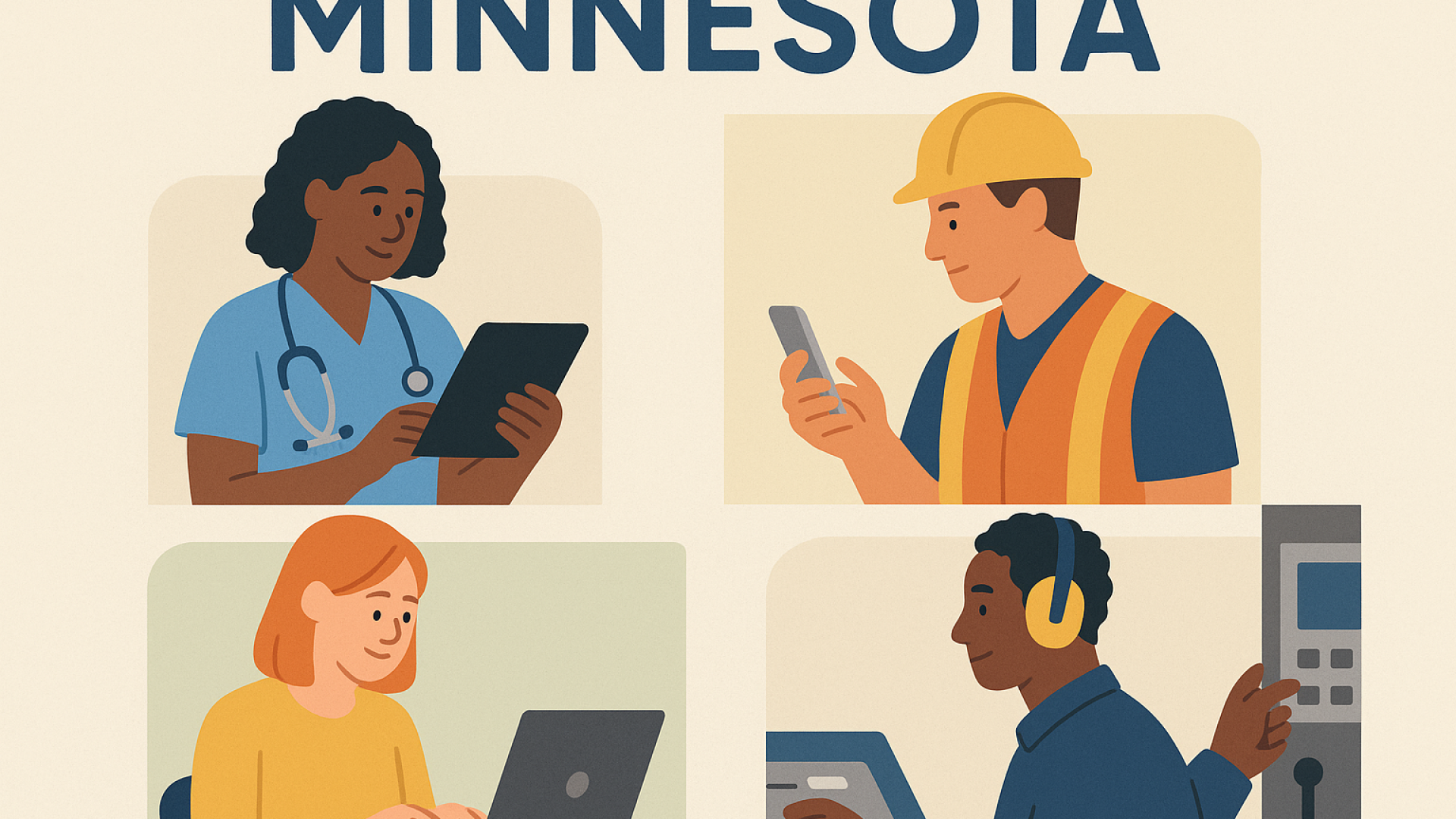
As we move deeper into the 21st century, technology continues to redefine the way we live and work. Minnesota, known for its diverse economy and robust workforce, is experiencing significant shifts due to rapid technological advancements. From automation and artificial intelligence to remote work and digital platforms, these changes are influencing how businesses operate and how employees engage with their jobs. This article explores the context, core impacts, challenges, and potential solutions related to the evolving technological landscape in Minnesota's workforce.
Context: Minnesota’s Economic and Workforce Landscape
Minnesota boasts a diverse economy with strong sectors in manufacturing, healthcare, agriculture, retail, and technology. The state has historically been a hub for innovation, with companies like 3M, Medtronic, and Target headquartered there. The workforce is well-educated, with a high percentage of residents holding college degrees, and the state has invested in workforce development programs to maintain competitiveness.
However, the rapid pace of technological innovation presents both opportunities and challenges. Automation threatens to disrupt traditional manufacturing jobs, while digital transformation demands new skills and adaptability. The COVID-19 pandemic accelerated remote work adoption, highlighting the importance of digital infrastructure and flexible work arrangements. These shifts are not isolated; they intertwine with Minnesota’s economic fabric, influencing everything from urban development to rural employment patterns.
Core Impacts of Technology on Minnesota’s Workforce
1. Automation and Artificial Intelligence
Automation and AI are reshaping many industries in Minnesota. Manufacturing plants are increasingly integrating robotics and AI-driven quality control systems to improve efficiency and reduce costs. While this boosts productivity, it also raises concerns about job displacement for workers performing routine tasks. For example, assembly line roles that once required manual labor are now often managed by automated machinery, reducing the need for human intervention in repetitive tasks.
In sectors like healthcare, AI is being used to assist in diagnostics, patient monitoring, and administrative tasks, enabling healthcare professionals to focus more on patient care. AI-powered tools can analyze medical images faster and with high accuracy, helping doctors make informed decisions. However, this shift requires workers to develop new competencies in managing and interpreting AI outputs, as well as understanding ethical considerations related to AI use in medicine.
2. Remote Work and Digital Collaboration
The pandemic accelerated the adoption of remote work across Minnesota’s businesses. Many companies have embraced hybrid models, combining in-office and remote work to enhance flexibility and employee satisfaction. This shift has increased demand for digital collaboration tools such as video conferencing, project management software, and cloud-based platforms, as well as heightened the need for robust cybersecurity measures to protect sensitive data.
Remote work also opens opportunities for Minnesota residents to access jobs beyond their geographic location, potentially reducing regional employment disparities. For instance, individuals living in rural areas can now compete for positions traditionally limited to urban centers. However, this requires reliable internet access and digital literacy, which remain uneven across the state. Efforts to expand broadband infrastructure and provide digital skills training are critical to ensuring equitable participation in the remote workforce.
3. Gig Economy and Digital Platforms
Digital platforms have expanded the gig economy in Minnesota, with more workers engaging in freelance, contract, and part-time work through apps and online marketplaces. This trend offers flexibility, allowing individuals to tailor their work schedules and pursue diverse income streams. However, it also raises questions about job security, benefits, and workers’ rights, as gig workers often lack access to traditional employment protections such as health insurance, retirement plans, and paid leave.
The gig economy’s growth challenges policymakers and businesses to rethink labor standards and social safety nets to accommodate this evolving workforce segment. Additionally, the rise of platform-based work requires workers to develop entrepreneurial skills, self-management capabilities, and digital proficiency to succeed.
4. Skills Gap and Workforce Development
As technology evolves, the demand for skilled workers in areas like data analysis, software development, and digital marketing grows. Minnesota faces a skills gap, with some employers struggling to find qualified candidates to fill these emerging roles. This gap underscores the need for continuous education and training programs tailored to emerging technologies and industry needs.
Workforce development initiatives in Minnesota are increasingly focusing on upskilling and reskilling existing workers, as well as preparing new entrants to the labor market. Programs that emphasize STEM education, vocational training, and partnerships between educational institutions and employers are vital. Moreover, fostering a culture of lifelong learning helps workers adapt to ongoing technological changes and maintain their employability.
Challenges Arising from Technological Transformation
- Job Displacement: Automation may lead to job losses in certain sectors, particularly for low-skilled workers, creating economic uncertainty and requiring targeted support for affected individuals.
- Digital Divide: Unequal access to technology and internet connectivity can exacerbate economic disparities, especially between urban and rural communities, limiting opportunities for many residents.
- Workforce Readiness: The existing workforce may lack the skills needed to adapt to new technologies, necessitating comprehensive training and education programs.
- Worker Protections: The rise of gig work challenges traditional labor protections and benefits, raising concerns about fair wages, job security, and access to healthcare.
- Mental Health and Work-Life Balance: Remote work blurs boundaries between personal and professional life, impacting well-being and requiring new approaches to employee support and workplace culture.
Potential Solutions and Strategic Responses
1. Investment in Education and Training
To bridge the skills gap, Minnesota can expand access to vocational training, coding boot camps, and lifelong learning initiatives. Partnerships between educational institutions, government, and industry can ensure curricula align with market needs, preparing workers for the jobs of the future. Emphasizing soft skills such as critical thinking, communication, and adaptability alongside technical skills will also enhance workforce resilience.
2. Enhancing Digital Infrastructure
Improving broadband access statewide is critical to support remote work and digital inclusion. Public and private investments can help close the digital divide, especially in rural and underserved communities. Expanding affordable, high-speed internet access enables more Minnesotans to participate fully in the digital economy and access educational and employment opportunities.
3. Supporting Workforce Transition
Programs that assist displaced workers through reskilling, career counseling, and job placement can ease transitions. Emphasizing transferable skills and adaptability is key to helping workers navigate changing job markets. Additionally, creating safety nets such as unemployment benefits and income support during retraining periods can provide stability.
4. Updating Labor Policies
Policymakers should consider reforms to protect gig workers, including access to benefits, fair wages, and workplace safety standards, while preserving flexibility. Innovative policy approaches might include portable benefits systems, minimum earning guarantees, and clearer classification standards to balance worker protections with the gig economy’s unique characteristics.
5. Promoting Mental Health and Work-Life Balance
Employers can implement policies that encourage healthy boundaries, provide mental health resources, and foster supportive work environments in hybrid and remote settings. Initiatives such as flexible scheduling, wellness programs, and regular check-ins can help mitigate stress and burnout, enhancing overall productivity and employee satisfaction.
Conclusion
The technological transformation of Minnesota’s workforce presents a complex mix of opportunities and challenges. By proactively addressing skills development, infrastructure, labor protections, and well-being, Minnesota can harness technology to create a more dynamic, inclusive, and resilient economy. Stakeholders across government, business, and education must collaborate to ensure that the benefits of innovation are broadly shared and that workers are equipped to thrive in the evolving landscape.
As technology continues to advance, Minnesota’s experience offers valuable insights into how regions can adapt to change while prioritizing human capital and social equity. The future of work in Minnesota will depend not only on technological adoption but also on thoughtful strategies that balance progress with people-centered values. Embracing this balanced approach will help Minnesota build a workforce that is prepared, protected, and empowered to succeed in the digital age.