 6 days ago
Introduction
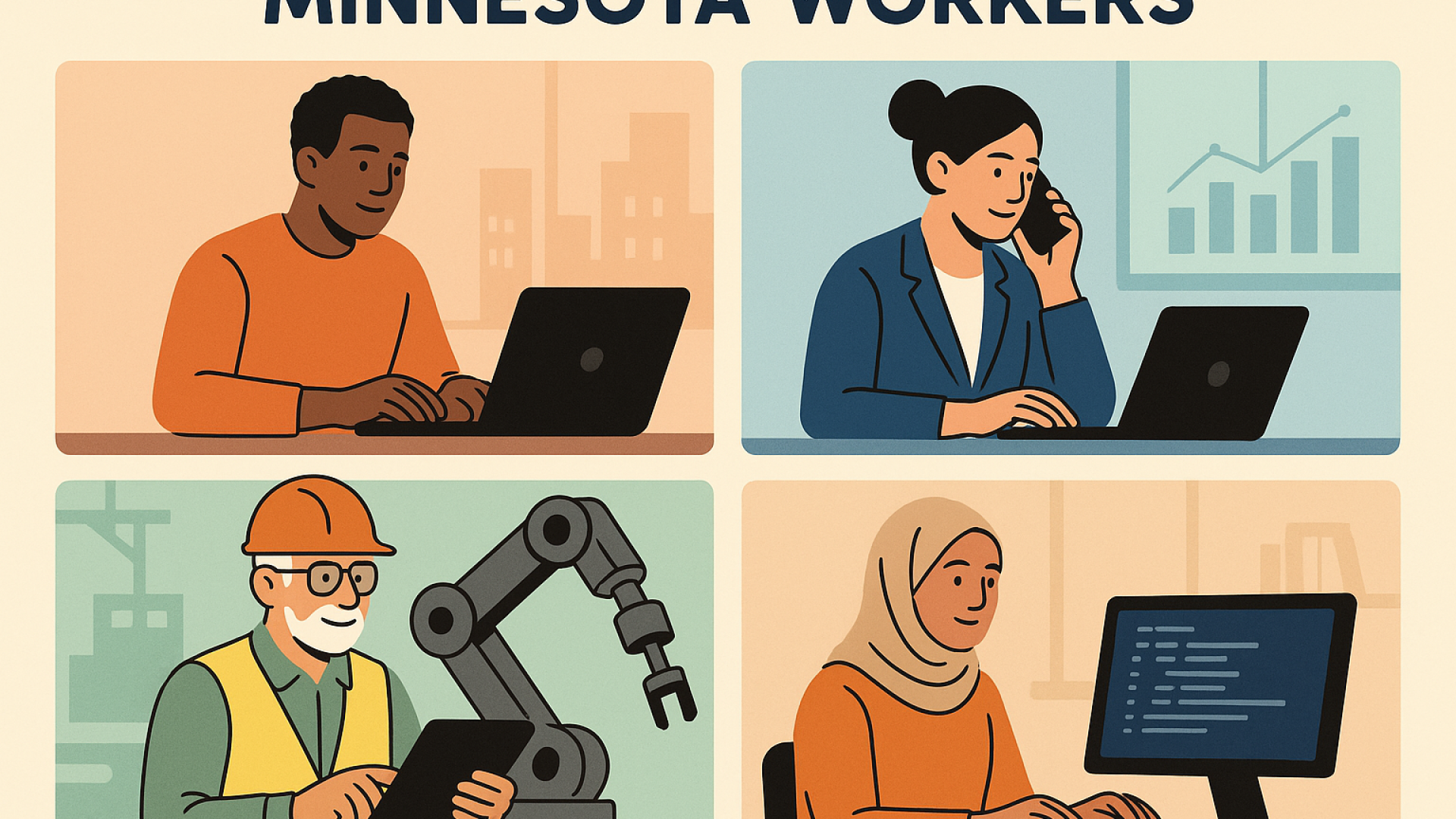
As we move deeper into the 21st century, technology continues to revolutionize the way we live and work. Minnesota, known for its diverse economy and strong industrial base, is experiencing significant shifts in its workforce landscape driven by technological advancements. From automation and artificial intelligence (AI) to remote work and digital platforms, these changes are reshaping traditional job roles, creating new opportunities, and presenting unique challenges for workers, employers, and policymakers alike. This transformation is not just about adopting new tools but fundamentally rethinking how work is organized, performed, and valued across the state.
Context: Minnesota’s Economic and Workforce Background
Minnesota boasts a robust economy with strengths in manufacturing, healthcare, agriculture, and technology sectors. Historically, the state has been home to major corporations and a skilled labor force, contributing to steady employment and economic growth. However, the rapid pace of technological innovation is disrupting established industries and forcing a reevaluation of workforce strategies. The state’s economic diversity provides both resilience and complexity as different sectors adapt at varying speeds to technological change.
According to recent labor market analyses, sectors such as manufacturing are increasingly integrating automation and robotics, while healthcare is adopting telemedicine and AI-driven diagnostics. Additionally, the rise of digital platforms has expanded gig and remote work opportunities, altering traditional employment models. These shifts are influencing not only the types of jobs available but also the skills required, the nature of employer-employee relationships, and the geographic distribution of work.
The Core Impact of Technology on Minnesota’s Workforce
Automation and Artificial Intelligence
Automation technologies, including robotics and AI, are transforming manufacturing plants and service industries across Minnesota. Tasks that were once manual and repetitive are now being performed by machines, increasing efficiency but also raising concerns about job displacement. This shift is particularly evident in industries such as automotive manufacturing, electronics, and food processing, where precision and speed are critical.
For example, automotive and electronics manufacturers in the state have implemented robotic assembly lines that reduce production time and costs. While this boosts competitiveness, it also necessitates a workforce skilled in managing and maintaining these technologies. Workers are increasingly required to possess technical expertise to oversee automated systems, troubleshoot issues, and optimize production processes. This evolution demands continuous learning and adaptation from employees.
Remote Work and Digital Collaboration
The COVID-19 pandemic accelerated the adoption of remote work, a trend that continues to evolve. Minnesota businesses, especially in the tech and professional services sectors, have embraced flexible work arrangements supported by digital collaboration tools. Platforms such as video conferencing, cloud-based project management, and instant messaging have become integral to daily operations.
This shift has broadened access to talent beyond geographic constraints but also requires employees to develop digital literacy and self-management skills. Employers are investing in cybersecurity and cloud infrastructure to support this new work environment, ensuring data protection and seamless connectivity. Remote work also challenges traditional notions of workplace culture, necessitating new approaches to team building, communication, and performance evaluation.
Emergence of New Job Roles and Skills
Technology is not only replacing certain jobs but also creating new roles that demand advanced technical and analytical skills. Positions such as data scientists, cybersecurity experts, AI specialists, and digital marketers are in growing demand within Minnesota’s labor market. These roles often require interdisciplinary knowledge, combining technical proficiency with business acumen and creative problem-solving.
Educational institutions and training programs are responding by updating curricula and offering certifications to prepare workers for these emerging opportunities. Lifelong learning and reskilling have become essential components of career development, with many workers engaging in continuous education to stay relevant. Community colleges, universities, and private training providers are collaborating to offer flexible learning options, including online courses and boot camps.
Challenges Facing Minnesota’s Workforce Amid Technological Change
Job Displacement and Economic Inequality
While technology drives productivity, it also poses risks of job displacement, particularly for workers in routine manual roles. This can exacerbate economic inequality if displaced workers lack access to retraining or new employment opportunities. The transition can be especially difficult for older workers or those with limited formal education, who may face barriers to acquiring new skills.
Rural areas and communities with limited digital infrastructure may face additional barriers, potentially widening regional disparities within the state. These communities often have fewer employment options and less access to training resources, making it harder to benefit from technological advancements. Addressing these disparities is critical to ensuring inclusive economic growth across Minnesota.
Skills Gap and Education System Adaptation
The rapid evolution of technology challenges Minnesota’s education and training systems to keep pace. There is a growing skills gap between what employers need and what the workforce currently possesses. This gap threatens to limit the state’s economic competitiveness and the ability of individuals to secure well-paying jobs.
Bridging this gap requires collaboration between government, educational institutions, and industry to develop relevant programs and ensure equitable access to training resources. Emphasis on STEM (science, technology, engineering, and mathematics) education, vocational training, and soft skills development is essential. Additionally, fostering partnerships that provide apprenticeships, internships, and on-the-job training can help workers gain practical experience.
Workplace Culture and Employee Well-being
The shift to remote and hybrid work models has transformed workplace culture, impacting communication, collaboration, and employee well-being. Organizations must address issues such as isolation, work-life balance, and digital burnout to maintain a healthy and productive workforce. Mental health support, flexible scheduling, and opportunities for social interaction are increasingly important components of workplace strategy.
Moreover, the digital nature of modern work can blur boundaries between professional and personal life, leading to stress and decreased job satisfaction. Employers are exploring ways to foster engagement and inclusion in virtual environments, ensuring that all employees feel connected and valued regardless of their physical location.
Solutions and Strategies for a Thriving Technological Workforce
Investment in Workforce Development and Reskilling
To mitigate job displacement and prepare workers for new roles, Minnesota is increasing investments in workforce development programs. Initiatives include partnerships between community colleges, vocational schools, and employers to provide targeted training in high-demand skills. These programs focus on equipping workers with competencies in digital literacy, coding, AI, cybersecurity, and advanced manufacturing technologies.
Such efforts also emphasize soft skills like critical thinking, adaptability, and communication, which are vital in a rapidly changing work environment. By fostering a culture of lifelong learning, Minnesota aims to create a resilient workforce capable of navigating technological disruptions.
Enhancing Digital Infrastructure and Access
Expanding broadband access and improving digital infrastructure, especially in rural and underserved communities, is essential for equitable participation in the digital economy. State and local governments are prioritizing initiatives to close the digital divide, recognizing that reliable internet connectivity is foundational to education, employment, and economic development.
Investments in infrastructure are complemented by programs that provide affordable devices and digital literacy training, ensuring that all residents can benefit from technological advancements. Public-private partnerships play a key role in accelerating these efforts and maximizing impact.
Promoting Inclusive and Flexible Work Environments
Employers are encouraged to adopt inclusive policies that support diverse talent pools and flexible work arrangements. This includes accommodating different learning styles, providing mental health resources, and fostering a culture of continuous learning. Flexible schedules, remote work options, and family-friendly policies help attract and retain a broad range of employees.
Creating an inclusive workplace also involves addressing systemic barriers and promoting equity in hiring, promotion, and compensation. By valuing diversity and inclusion, organizations can enhance innovation, employee satisfaction, and overall performance.
Public-Private Collaboration
Collaboration between government agencies, private sector companies, and educational institutions is vital to align workforce strategies with technological trends. Such partnerships can facilitate innovation, share best practices, and mobilize resources effectively. Joint initiatives can include workforce training programs, research and development projects, and policy advocacy.
These collaborative efforts help ensure that Minnesota’s workforce development ecosystem is responsive to changing economic conditions and technological advancements, fostering sustainable growth and competitiveness.
Conclusion: Embracing Change for a Resilient Minnesota Workforce
The technological transformation of work in Minnesota presents both challenges and opportunities. By proactively addressing workforce development, infrastructure, and workplace culture, the state can harness technology to drive economic growth and improve quality of life for its residents. Embracing innovation while prioritizing inclusivity and equity will be key to building a future-ready workforce.
As technology continues to evolve, Minnesota’s ability to adapt and innovate will determine its success in building a resilient, inclusive, and future-ready workforce. Stakeholders across sectors must work collaboratively to create an environment where all workers can thrive in the digital age, ensuring that Minnesota remains a leader in economic vitality and social well-being.