 6 days ago
Introduction
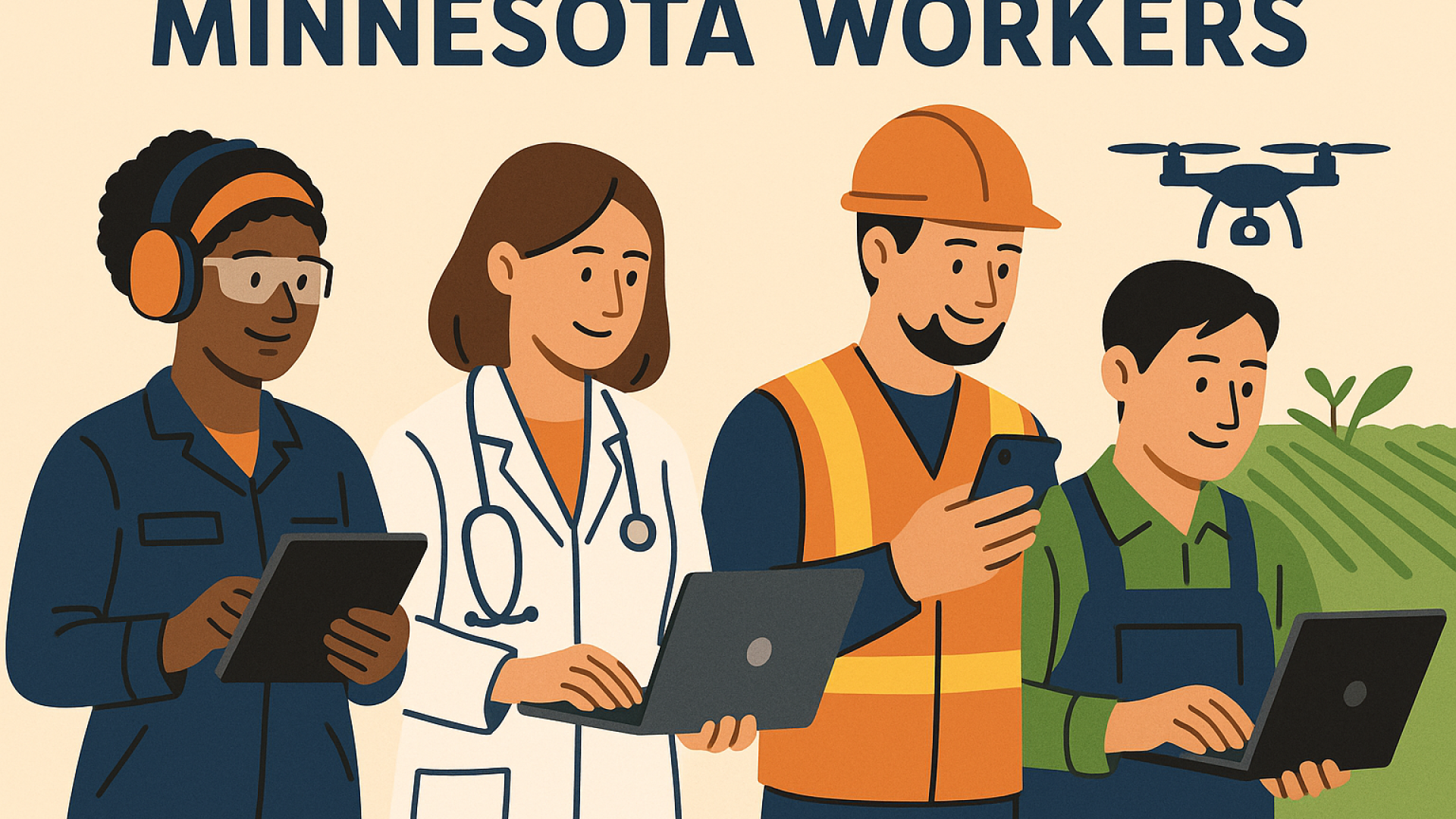
As we move deeper into the 21st century, technology continues to redefine how we live and work. Minnesota, known for its diverse economy and strong industrial base, is experiencing significant changes in its labor market due to rapid technological advancements. From automation and artificial intelligence to remote work and digital platforms, the nature of work in Minnesota is evolving at an unprecedented pace. These changes are not only altering the types of jobs available but also transforming the skills required, the way businesses operate, and the overall economic landscape of the state.
Context: The Current Landscape of Work in Minnesota
Minnesota's economy has traditionally been anchored by manufacturing, healthcare, agriculture, and retail sectors. These industries have long provided stable employment opportunities and contributed significantly to the state's economic growth. However, the integration of technology into these sectors is fundamentally altering job requirements and creating new opportunities that were unimaginable just a decade ago. The COVID-19 pandemic accelerated the adoption of remote work and digital tools, pushing companies and employees to adapt quickly to new ways of working.
According to recent labor market analyses, sectors such as information technology, advanced manufacturing, and healthcare technology are growing rapidly in the state. For instance, Minnesota has seen a surge in tech startups and innovation hubs that focus on software development, data analytics, and biotechnology. Meanwhile, routine manual jobs face increasing automation risks, prompting concerns about workforce displacement and the urgent need for reskilling programs. This dynamic environment is reshaping Minnesota’s labor market, demanding a workforce that is agile, tech-savvy, and prepared for continuous learning.
Core Changes Driven by Technology
1. Automation and Artificial Intelligence
Automation technologies, including robotics and artificial intelligence (AI), are streamlining operations in manufacturing plants, warehouses, and even service industries across Minnesota. These technologies improve efficiency, reduce operational costs, and enhance product quality but also transform job roles significantly. Workers are increasingly required to manage, maintain, and collaborate with automated systems rather than perform repetitive manual tasks.
For example, in the automotive and food processing industries, robots now handle assembly and packaging, while human workers focus on oversight, quality control, and troubleshooting. This shift demands higher technical skills and continuous learning, as employees must understand complex machinery and software systems. Additionally, AI-powered predictive maintenance and quality assurance tools are helping companies reduce downtime and improve output, further changing the nature of work on the factory floor.
2. Remote Work and Digital Collaboration
The rise of remote work has been one of the most visible changes in Minnesota's work culture, especially following the COVID-19 pandemic. Companies have rapidly adopted cloud-based platforms, video conferencing, and project management tools to maintain productivity outside traditional office settings. This trend has expanded employment opportunities beyond geographic constraints, allowing Minnesota residents to work for companies nationwide or globally, and enabling businesses to tap into a broader talent pool.
However, remote work also presents challenges such as digital divide issues, work-life balance concerns, and the need for effective virtual communication skills. Not all workers have equal access to high-speed internet or suitable home office environments, which can exacerbate existing inequalities. Employers must also find new ways to foster team cohesion, maintain employee engagement, and support mental health in a virtual setting.
3. Gig Economy and Platform Work
Technology-enabled platforms have given rise to gig and freelance work in Minnesota, creating new avenues for income generation. Apps connecting workers with short-term jobs in delivery, ride-sharing, and creative services have diversified income sources for many residents. This flexibility benefits individuals seeking non-traditional work arrangements or supplemental income.
However, the gig economy also raises important questions about job security, benefits, and labor rights. Many gig workers lack access to employer-provided health insurance, retirement plans, and paid leave. Policymakers and advocates are increasingly focused on developing frameworks that protect gig workers while preserving the flexibility that makes this work attractive.
4. Data-Driven Decision Making
Businesses in Minnesota are increasingly relying on big data analytics to optimize operations, marketing strategies, and customer service. The ability to collect, analyze, and interpret vast amounts of data has become a critical competitive advantage. Employees with data literacy skills are in high demand to translate insights into actionable strategies that drive growth and innovation.
This shift emphasizes the importance of STEM education and training programs that prepare workers for data-centric roles. From healthcare providers using predictive analytics to improve patient outcomes to retailers optimizing inventory through real-time data, the integration of data-driven decision making is transforming how organizations operate across the state.
Challenges Facing Minnesota's Workforce
Despite the numerous opportunities presented by technological advancements, the transformation of Minnesota’s workforce comes with significant challenges that must be addressed to ensure inclusive and sustainable growth.
- Skills Gap: Many workers currently lack the digital and technical skills required for emerging roles, creating a mismatch between job openings and qualified candidates. This gap is particularly pronounced among older workers and those in rural areas, necessitating targeted reskilling and upskilling initiatives.
- Economic Displacement: Automation threatens jobs in traditional sectors, particularly for low-skilled workers, risking increased unemployment and economic inequality. Communities reliant on manufacturing and manual labor face the prospect of job losses without adequate transition support.
- Infrastructure Limitations: Rural areas in Minnesota may face inadequate broadband access, limiting their ability to participate fully in the digital economy. This digital divide hampers remote work, online education, and access to essential digital services, exacerbating regional disparities.
- Workplace Adaptation: Employers must invest in training and change management to help employees transition to new technologies and workflows. Resistance to change and lack of organizational readiness can slow the adoption of innovative practices.
Solutions and Initiatives to Support Workforce Transformation
1. Education and Reskilling Programs
State and local governments, educational institutions, and private companies are collaborating to develop comprehensive training programs that equip workers with in-demand skills. Initiatives include coding boot camps, apprenticeships, and partnerships with community colleges focusing on technology, advanced manufacturing, and healthcare technology. These programs emphasize hands-on learning and real-world applications to prepare participants for the evolving job market.
Moreover, lifelong learning is being promoted as a necessity, with flexible online courses and micro-credentialing options enabling workers to update their skills continuously. Special attention is being given to underrepresented groups to ensure equitable access to these opportunities.
2. Expanding Broadband Access
Efforts to improve internet infrastructure, especially in rural Minnesota, aim to bridge the digital divide. Public-private partnerships and government funding initiatives are accelerating the deployment of high-speed broadband networks. Enhanced connectivity is crucial for enabling remote work, online education, telehealth services, and access to digital government resources.
By expanding broadband access, Minnesota seeks to create a more inclusive digital economy where all residents can participate fully and benefit from technological advancements.
3. Supporting Small Businesses and Entrepreneurs
Technology adoption support and funding opportunities help small businesses innovate and compete in a rapidly changing marketplace. Programs offering technical assistance, grants, and access to digital tools empower entrepreneurs to expand their reach and improve operational efficiency. This support fosters job creation, economic resilience, and community development across the state.
Additionally, innovation hubs and incubators provide resources and mentorship to startups, encouraging the growth of new industries and diversification of Minnesota’s economy.
4. Promoting Inclusive Workforce Policies
Policies that address equity, such as support for underrepresented groups in tech fields and protections for gig workers, are essential to ensure broad-based benefits from technological progress. Initiatives include diversity and inclusion programs, fair labor standards for non-traditional workers, and efforts to reduce barriers to entry in high-growth sectors.
By fostering an inclusive workforce, Minnesota aims to harness the full potential of its diverse population and create opportunities that uplift all communities.
Looking Ahead: The Future of Work in Minnesota
The trajectory of work in Minnesota will likely continue to be shaped by emerging technologies such as artificial intelligence, machine learning, augmented reality, and blockchain. These tools promise to further enhance productivity, create new job categories, and transform existing roles. For example, augmented reality could revolutionize training and maintenance in manufacturing, while AI-driven healthcare solutions may improve diagnostics and patient care.
However, the human element remains critical. Employers and policymakers must prioritize lifelong learning, adaptability, and inclusive growth to navigate the complexities of this transformation successfully. Collaboration among educational institutions, businesses, government agencies, and community organizations will be vital to building a resilient workforce prepared for future challenges.
By embracing technology while addressing its challenges, Minnesota can position itself as a leader in the future of work, fostering a dynamic economy that benefits all residents and ensures sustainable prosperity.
Conclusion
Technology is undeniably transforming the work landscape in Minnesota, offering exciting opportunities alongside significant challenges. The state's ability to adapt through education, infrastructure development, and inclusive policies will determine how well its workforce thrives in this new era. As Minnesota moves forward, collaboration among stakeholders will be key to ensuring that technological progress translates into sustainable economic growth and improved quality of life for all.
By proactively addressing the skills gap, supporting displaced workers, expanding digital infrastructure, and promoting equitable workforce policies, Minnesota can create a future of work that is innovative, inclusive, and resilient. This transformation holds the promise of not only economic advancement but also enhanced social well-being for communities across the state.