 1 week ago
Introduction
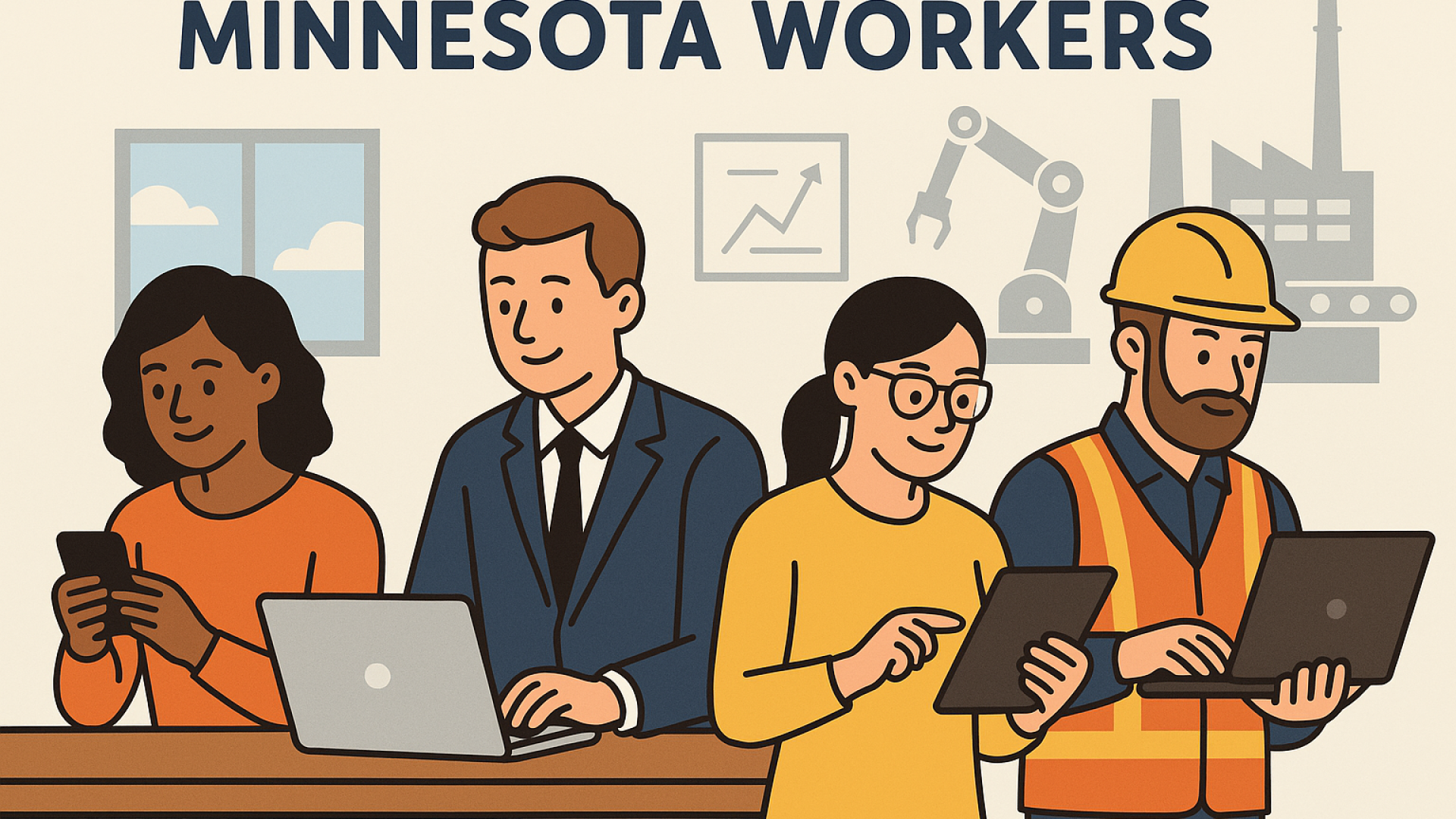
As we move deeper into the 21st century, technology continues to redefine how work is performed across the globe. Minnesota, known for its diverse economy and robust workforce, is no exception. From automation and artificial intelligence to remote work and digital collaboration tools, technological advancements are transforming the nature of jobs, the skills required, and the overall work environment in the state.
This article delves into the multifaceted ways technology is changing work in Minnesota, examining the context behind these shifts, the core impacts on various sectors, the challenges faced by workers and employers, and potential solutions to ensure an inclusive and prosperous future.
Context: Minnesota’s Economic and Workforce Landscape
Minnesota boasts a diverse economy with strong sectors in manufacturing, healthcare, agriculture, technology, and services. Historically, the state has been a hub for major corporations, small businesses, and startups alike. The workforce is well-educated, with numerous universities and technical colleges supplying skilled talent.
However, like many other regions, Minnesota is grappling with rapid technological changes that are disrupting traditional employment patterns. Automation threatens routine manual jobs, while digital platforms are reshaping service industries. The COVID-19 pandemic accelerated the adoption of remote work and digital tools, further accelerating these trends.
Moreover, Minnesota’s geographic diversity, ranging from urban centers like Minneapolis and St. Paul to rural communities, means that the impact of technology on work varies widely across the state. Urban areas tend to have greater access to high-speed internet and technology infrastructure, enabling faster adoption of new work models, whereas rural regions face unique challenges related to connectivity and workforce availability.
Core Impacts of Technology on Work in Minnesota
1. Automation and Artificial Intelligence
Automation technologies, including robotics and AI, are increasingly integrated into manufacturing plants, warehouses, and even office environments. In Minnesota’s manufacturing sector, robots assist with repetitive tasks, improving efficiency but reducing demand for certain manual labor roles. For example, companies in the automotive and food processing industries have implemented robotic systems to streamline production lines, which has led to increased productivity but also workforce restructuring.
AI-powered systems are also being used for data analysis, customer service, and decision-making processes, changing the skill sets required for many jobs. Workers are now expected to complement machines by focusing on problem-solving, creativity, and interpersonal skills. In sectors like healthcare, AI assists in diagnostics and patient management, enabling professionals to deliver more personalized care.
Additionally, AI-driven predictive analytics are helping businesses anticipate market trends and optimize operations, which requires employees to develop new competencies in data literacy and technology management. This shift is prompting educational institutions in Minnesota to update curricula to better prepare students for the evolving job market.
2. Remote Work and Digital Collaboration
The pandemic normalized remote work, and many Minnesota companies have adopted hybrid or fully remote models. This shift has expanded job opportunities beyond geographic constraints, allowing workers in rural areas to access urban job markets and vice versa. For instance, tech firms and professional services in the Twin Cities metropolitan area have embraced flexible work arrangements, attracting talent statewide.
Digital collaboration tools such as video conferencing, project management software, and cloud platforms have become essential. Platforms like Microsoft Teams, Zoom, and Slack are now integral to daily operations, enabling seamless communication and project coordination across dispersed teams.
However, this also raises concerns about digital equity, as not all workers have equal access to high-speed internet or suitable home workspaces. Rural broadband gaps and socioeconomic disparities can limit participation in remote work, potentially exacerbating existing inequalities. Employers and policymakers are increasingly focused on addressing these barriers through infrastructure investments and support programs.
3. Gig Economy and Platform Work
Technology-enabled gig work is growing in Minnesota, with platforms offering flexible jobs in delivery, ridesharing, and freelance services. Companies like Uber, DoorDash, and Upwork have expanded their presence, providing alternative income sources for many residents.
While this provides income opportunities, it also introduces challenges related to job security, benefits, and workers’ rights. Gig workers often lack access to traditional employment protections such as health insurance, retirement plans, and paid leave. This has sparked debates among policymakers and labor advocates in Minnesota about how to regulate gig work to ensure fair treatment and social safety nets.
Moreover, the gig economy's growth is influencing traditional employment models, prompting some companies to adopt more flexible staffing arrangements. This trend requires workers to be adaptable and proactive in managing their careers and finances.
4. Upskilling and Reskilling Demands
As technology evolves, continuous learning becomes critical. Minnesota’s workforce development programs and educational institutions are emphasizing upskilling and reskilling initiatives to prepare workers for emerging roles in tech, healthcare, and green industries.
Programs such as the Minnesota Job Skills Partnership and various community college offerings provide training in coding, data analysis, renewable energy technologies, and healthcare support roles. These initiatives aim to equip workers with the skills needed to thrive in a technology-driven economy.
Additionally, employers are increasingly investing in employee development through partnerships with educational institutions and online learning platforms. This collaborative approach helps ensure that training aligns with industry needs and that workers can transition smoothly into new roles.
Challenges Arising from Technological Transformation
- Job Displacement: Automation threatens certain job categories, particularly in manufacturing and administrative roles, leading to concerns about unemployment and economic inequality. Workers displaced by technology may face difficulties finding new employment without adequate retraining.
- Digital Divide: Unequal access to technology and internet connectivity creates disparities in who can benefit from remote work and digital learning. Rural communities and low-income households are disproportionately affected, limiting their participation in the evolving workforce.
- Work-Life Balance: Remote work blurs boundaries between personal and professional life, sometimes increasing stress and burnout. Employees may struggle to disconnect, leading to mental health challenges and decreased productivity.
- Regulatory and Ethical Issues: The rise of AI and gig work raises questions about privacy, data security, labor rights, and fair compensation. Policymakers must navigate complex issues to protect workers while fostering innovation.
- Skills Gap: Rapid technological change can outpace the ability of workers and educational systems to adapt, resulting in a mismatch between available jobs and qualified candidates.
- Economic Inequality: Technology-driven growth may disproportionately benefit highly skilled workers and urban areas, potentially widening income and opportunity gaps within the state.
Potential Solutions and Strategies for Minnesota
1. Strengthening Workforce Development
Investing in education and training programs tailored to the needs of a tech-driven economy is essential. Partnerships between government, educational institutions, and industry can create pathways for workers to gain relevant skills. Initiatives like apprenticeships, internships, and certification programs can provide hands-on experience and improve employability.
Furthermore, integrating digital literacy and soft skills training into curricula can prepare workers for the collaborative and adaptive nature of modern workplaces. Emphasizing lifelong learning will help individuals remain competitive as job requirements evolve.
2. Expanding Digital Infrastructure
Improving broadband access across urban and rural areas will help bridge the digital divide, enabling more equitable participation in remote work and online learning. Minnesota has launched programs aimed at expanding high-speed internet to underserved communities, recognizing that connectivity is foundational to economic inclusion.
Public-private partnerships can accelerate infrastructure development, while subsidies and grants can assist low-income households in obtaining necessary technology. Ensuring affordable and reliable internet access is critical for workforce participation and community development.
3. Supporting Worker Transition and Protection
Policies that support displaced workers through retraining, unemployment benefits, and job placement services can ease transitions. Minnesota’s Department of Employment and Economic Development offers resources to assist workers affected by automation and industry shifts.
Additionally, updating labor laws to address gig economy challenges will protect worker rights. This includes exploring portable benefits models, minimum wage standards, and protections against unfair labor practices. Engaging stakeholders from government, business, and labor organizations is vital to crafting balanced regulations.
4. Promoting Inclusive Technology Adoption
Encouraging businesses to adopt technology in ways that augment rather than replace human labor can create more sustainable employment. Emphasizing human-centered design and ethical AI use is key. Companies can focus on leveraging technology to enhance worker productivity and job satisfaction rather than solely cutting costs.
Moreover, fostering innovation ecosystems that support startups and small businesses can diversify economic growth and create new job opportunities. Minnesota’s vibrant tech community and research institutions play a crucial role in driving inclusive technological advancement.
5. Enhancing Mental Health and Work-Life Balance Support
As remote and hybrid work models become more prevalent, employers and policymakers should prioritize mental health resources and promote healthy work-life boundaries. Offering flexible schedules, wellness programs, and access to counseling can mitigate burnout and improve overall workforce well-being.
Conclusion
The technological transformation of work in Minnesota presents both significant opportunities and complex challenges. By proactively addressing workforce development, digital equity, and regulatory frameworks, Minnesota can harness technology to foster a resilient, inclusive, and dynamic labor market. The future of work will require collaboration among policymakers, educators, employers, and workers to ensure that technological progress benefits all segments of society.
As Minnesota navigates this evolving landscape, continuous dialogue and adaptive strategies will be crucial to building a workforce prepared for the demands of tomorrow’s economy. Embracing innovation while prioritizing equity and human-centered approaches will position the state as a leader in shaping the future of work.