 1 week ago
Introduction
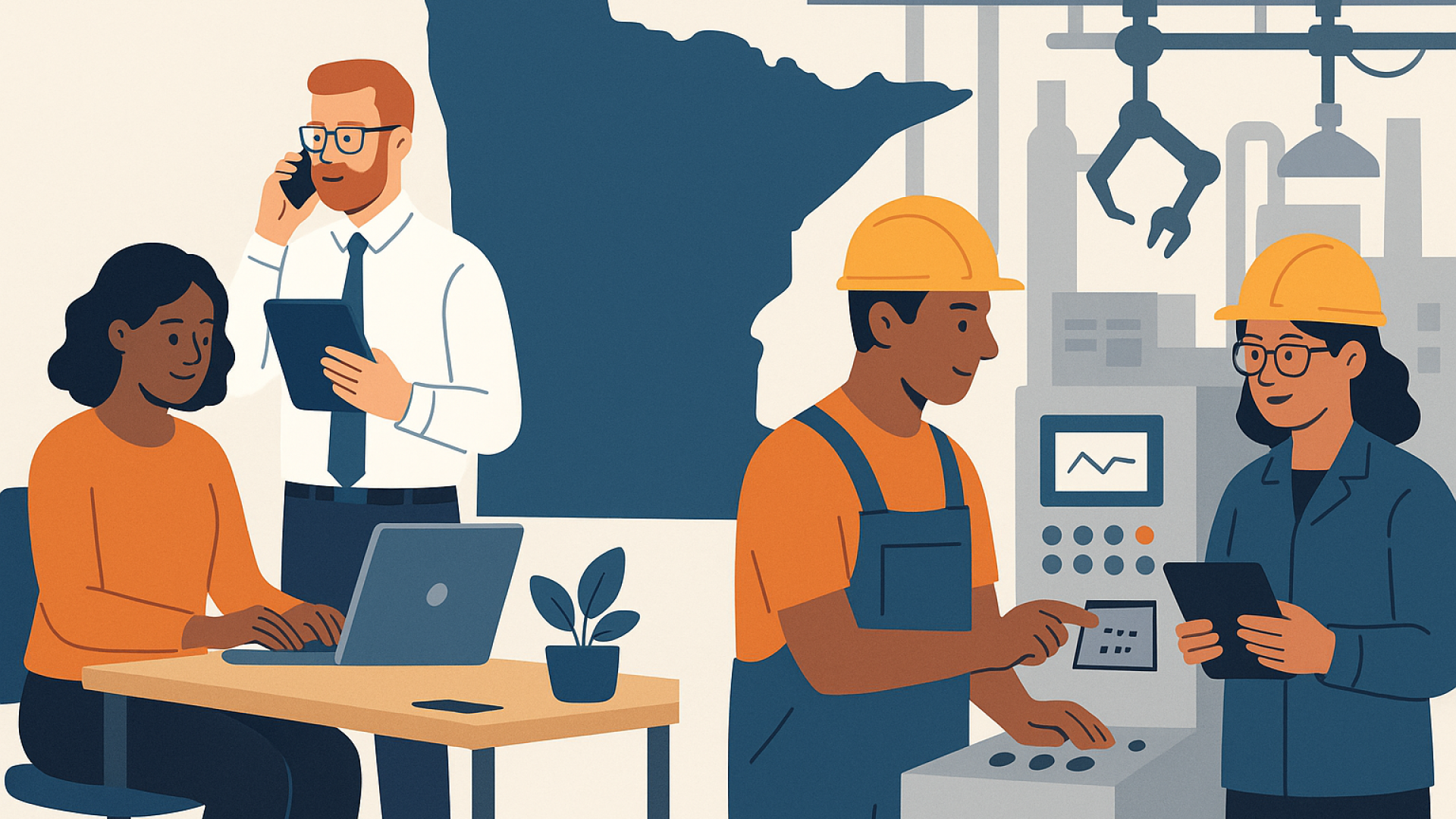
The state of Minnesota is witnessing a profound transformation in its workforce, driven by rapid advancements in technology. From automation and artificial intelligence to remote work and digital platforms, technology is reshaping how Minnesotans work, the types of jobs available, and the skills required to thrive in the modern economy. This article delves into the multifaceted impact of technology on work in Minnesota, examining the current context, core changes, challenges, and potential solutions to ensure an inclusive and prosperous future for all workers.
Context: Minnesota’s Economic and Workforce Landscape
Minnesota has long been recognized for its diverse economy, anchored by sectors such as manufacturing, healthcare, agriculture, and retail. The state boasts a highly educated workforce, strong infrastructure, and a culture of innovation. However, like many regions, Minnesota faces pressures from globalization, demographic shifts, and technological disruption.
In recent years, the COVID-19 pandemic accelerated trends such as remote work and digital adoption, forcing businesses and employees to adapt quickly. As technology continues to evolve, it is becoming clear that the nature of work in Minnesota will not simply return to pre-pandemic norms but will instead enter a new era characterized by flexibility, automation, and continuous learning.
Moreover, Minnesota's economy is increasingly influenced by emerging sectors such as information technology, renewable energy, and biotechnology, which are heavily reliant on technological innovation. This shift necessitates a workforce that is adaptable and equipped with new skill sets to meet the demands of these growing industries.
Core Changes: How Technology Is Reshaping Work
Automation and Artificial Intelligence
Automation technologies, including robotics and AI, are increasingly integrated into Minnesota’s manufacturing and service industries. These technologies improve efficiency and reduce costs but also raise concerns about job displacement. For example, automated machinery in factories can perform repetitive tasks faster and with fewer errors, potentially reducing the need for manual labor.
However, automation also creates new roles in programming, maintenance, and oversight of these systems. The challenge lies in managing the transition for workers whose jobs are affected and equipping them with skills for emerging roles. Companies in Minnesota are investing in reskilling programs to help employees move into these new positions, emphasizing the importance of lifelong learning.
Remote and Hybrid Work Models
The pandemic normalized remote work, and many Minnesota companies continue to offer flexible work arrangements. Technology platforms such as video conferencing, cloud computing, and collaboration tools enable employees to work from home or other locations, increasing work-life balance and access to talent across geographic boundaries.
This shift also impacts commercial real estate, transportation, and urban planning, as demand for office space and commuting patterns evolve. Employers must balance productivity, employee engagement, and operational needs in this new environment. Additionally, remote work has opened opportunities for rural communities in Minnesota, allowing residents to access jobs previously concentrated in urban centers.
Digital Platforms and Gig Economy
Digital platforms have expanded opportunities for freelance, contract, and gig work in Minnesota. Apps and websites connect workers with short-term jobs in delivery, home services, and creative fields. While this flexibility benefits many, it also raises questions about job security, benefits, and labor rights.
The gig economy's growth has prompted discussions around how to provide protections and benefits to gig workers, who often lack traditional employment safeguards. Minnesota policymakers and advocacy groups are exploring frameworks to balance flexibility with fair labor standards.
Skills and Education Transformation
As technology changes job requirements, continuous learning and upskilling become essential. Minnesota’s educational institutions and workforce development programs are increasingly focusing on STEM (science, technology, engineering, and math) education, digital literacy, and vocational training aligned with industry needs.
Partnerships between businesses, government, and educational organizations aim to create pathways for workers to transition into technology-driven roles, ensuring that no one is left behind in the evolving economy. Initiatives such as coding boot camps, apprenticeships, and community college programs are expanding to meet the demand for tech-savvy workers.
Furthermore, there is a growing emphasis on soft skills like critical thinking, communication, and adaptability, which complement technical expertise and are vital in a rapidly changing work environment.
Challenges and Concerns
Workforce Displacement and Inequality
One of the most pressing concerns is the potential displacement of workers due to automation and technological change. Lower-skilled workers and those in routine jobs are at higher risk, which could exacerbate economic inequality if adequate support systems are not in place.
Addressing this issue requires targeted policies that provide retraining opportunities, social safety nets, and pathways to new employment sectors. Without such measures, the benefits of technological progress may be unevenly distributed, deepening existing disparities.
Digital Divide
Access to high-speed internet and digital tools remains uneven across Minnesota, particularly in rural and underserved communities. This digital divide limits opportunities for remote work, online education, and participation in the digital economy.
Efforts to expand broadband infrastructure are underway, but challenges persist due to geographic and economic factors. Bridging this divide is critical to ensuring equitable access to the future of work and preventing certain populations from being left behind.
Privacy and Security
Increased reliance on technology raises issues related to data privacy, cybersecurity, and employee monitoring. Balancing productivity with respect for worker privacy is an ongoing challenge for employers and policymakers.
As workplaces adopt more digital tools, concerns about surveillance and data misuse grow. Establishing clear guidelines and ethical standards is essential to protect workers’ rights while leveraging technology effectively.
Solutions and Strategies for a Thriving Workforce
Investing in Education and Training
Expanding access to quality education and lifelong learning programs is critical. Minnesota can enhance funding for community colleges, vocational schools, and online learning platforms that provide skills aligned with emerging industries.
Programs that focus on both technical skills and soft skills will prepare workers for a diverse range of roles. Additionally, integrating experiential learning opportunities such as internships and apprenticeships can bridge the gap between education and employment.
Supporting Workforce Transition
Programs that assist displaced workers through retraining, career counseling, and financial support can ease transitions. Public-private partnerships can facilitate apprenticeships and on-the-job training opportunities.
Moreover, creating accessible resources for career exploration and job placement can help workers navigate changes in the labor market. Minnesota’s workforce development agencies are increasingly collaborating with employers to tailor these services to local needs.
Bridging the Digital Divide
Expanding broadband infrastructure and providing affordable devices are essential to ensure all Minnesotans can participate in the digital economy. Community centers and libraries can offer digital literacy training to bridge gaps.
State and local governments, along with private sector partners, are investing in initiatives to improve connectivity and digital skills, particularly in rural areas. These efforts are vital for enabling equitable access to remote work and online education.
Promoting Inclusive Policies
Policymakers should consider regulations that protect gig workers’ rights, promote fair wages, and encourage diversity and inclusion in tech-driven workplaces. Encouraging ethical AI use and transparent data practices can build trust.
Inclusive policies also involve addressing systemic barriers faced by underrepresented groups in technology fields, fostering a more diverse and innovative workforce. Minnesota’s commitment to equity can serve as a model for integrating social justice into economic development.
Encouraging Innovation and Entrepreneurship
Supporting startups and small businesses through grants, incubators, and mentorship can foster innovation and job creation. Minnesota’s strong entrepreneurial ecosystem can be leveraged to develop new technologies and business models that benefit the workforce.
By nurturing a culture of innovation, Minnesota can attract investment and talent, creating a dynamic environment where technology and workforce development go hand in hand. Collaboration between universities, research institutions, and industry is key to sustaining this momentum.
Conclusion
Technology is undeniably transforming work in Minnesota, presenting both opportunities and challenges. By proactively addressing workforce displacement, investing in education, bridging the digital divide, and fostering inclusive policies, Minnesota can build a resilient and dynamic economy that benefits all its residents.
The future of work is not predetermined; it will be shaped by the choices made today by businesses, educators, policymakers, and workers themselves. Embracing technology while prioritizing human potential will be key to ensuring that Minnesota remains a vibrant place to live and work in the decades to come.