 18 hours ago

Most of us think of brain health as all-or-nothing: You’re either sharp or you’re forgetful. Either aging is going well, or it isn’t.
But what if brain health is less like our eye color – something that’s fixed and predetermined – and more like physical fitness – something that can be strengthened and practiced over time?
That idea has been reinforced for me over the past several months through conversations with Dr. James Rini, a behavioral neurologist at Ochsner Health who focuses on the early detection and treatment of neurodegenerative diseases. “Protecting the brain isn’t just about avoiding worst-case outcomes like dementia,” he says. “It’s about developing habits that support adaptability, resilience and efficiency across the lifespan.”
The Brain Responds to How We Live
Modern neuroscience shows that our brain is highly responsive to our environment and adapts to what we repeatedly ask it to do.
Challenge it with learning new skills, and neural pathways will strengthen. Stay socially engaged, and our brain’s adaptability improves. Get sufficient sleep, and the brain clears metabolic waste and consolidates memory.
On the flip side, says Dr. Rini, long periods of inactivity, chronic stress, poor sleep and isolation don’t just affect how we feel in the moment – they can negatively influence how the brain ages.
Subtle Signs Matter, Long Before Disease Does
It’s easy to think about cognitive decline in terms of extremes: Alzheimer’s, dementia and loss of independence. But brain health is noticeable much earlier and in more subtle ways, notes Dr. Rini, including the ability to:
- Stay focused during long workdays.
- Regulate emotions under stress instead of feeling chronically overwhelmed.
- Stay mentally flexible rather than resistant to change.
These skills are trainable and shaped by habits, not just age. This is why lifestyle patterns matter. Regular movement, adequate sleep, meaningful social connections, mental stimulation and a diet centered on wholesome foods all influence how the brain performs now and how it ages later.
Nutrition Supports the System, But It’s Part of the Bigger Picture
The dietary pattern with the strongest evidence in this space is the MIND diet, which emphasizes leafy greens, berries, beans, nuts, whole grains, fish, poultry and olive oil while limiting ultra-processed foods, excess sugar and fried foods.
It’s not trendy or extreme. It’s centered on foods that support cardiovascular health, glucose regulation and inflammation control, all intertwined with our cognitive wellbeing.
Where Supplements Fit In
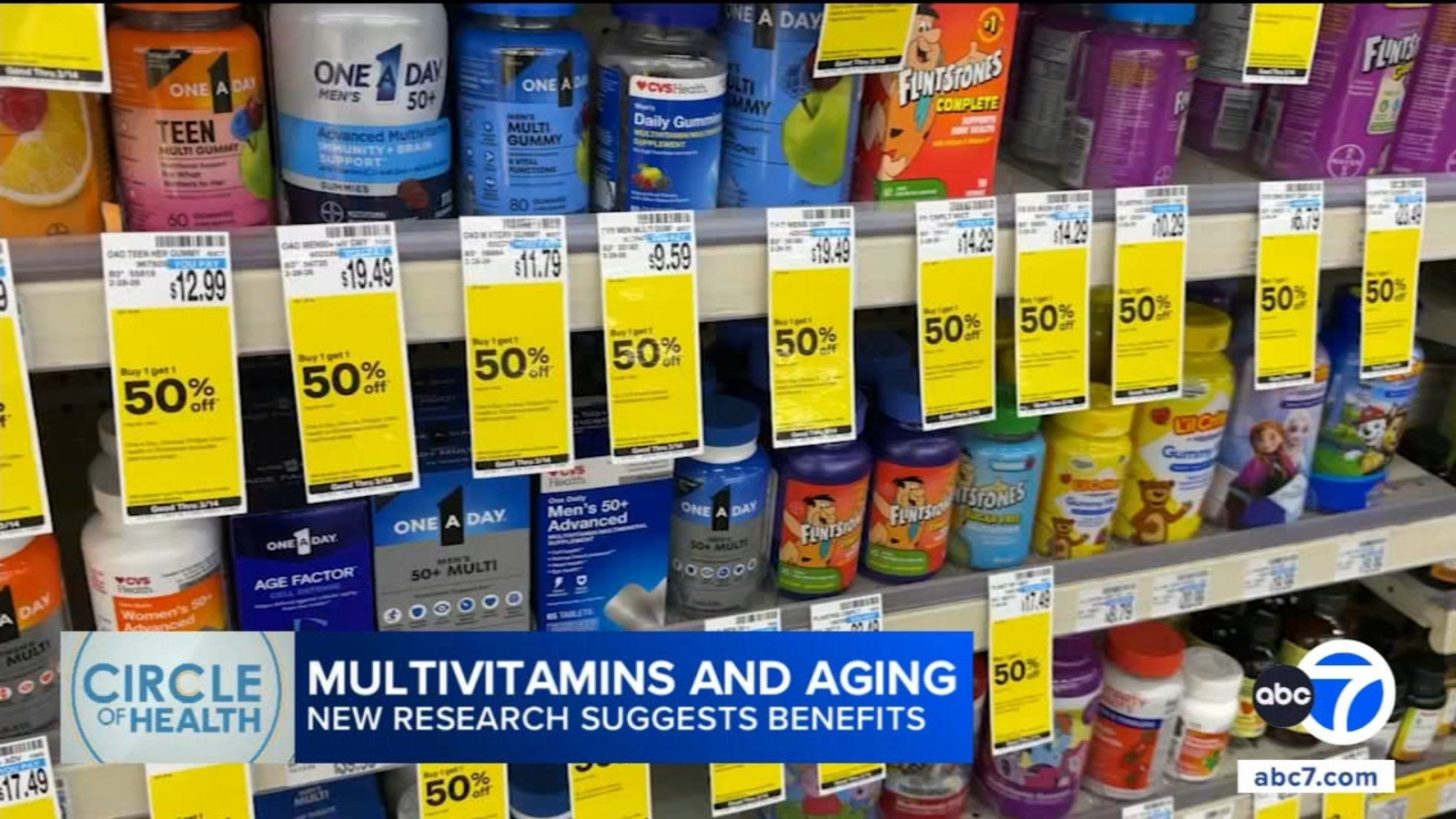
People understandably want to know about supplements. There is emerging research around compounds like creatine, omega-3 fatty acids, L-theanine, probiotics and others in specific cognitive contexts. Some support focus under stress, while others influence inflammation or cellular energy.
It’s important to note that supplements may complement a strong foundation, but they cannot replace it. They are not substitutes for sufficient sleep, movement, nourishing food, social connection or mental engagement. (We covered many of these supplements more in-depth in a column last fall.)
An Invitation for Those Who Want to Go Deeper
For readers interested in exploring these topics further, I’ll be joining Dr. Rini and a multidisciplinary group of healthcare professionals next Saturday, March 21, at the BEACON Brain Health Conference, held at the New Orleans Culinary & Hospitality Institute (NOCHI) in New Orleans. The conference is free and open to the public, including caregivers, patients and healthcare professionals.
The NOCHI culinary team has designed a lunch centered on MIND diet principles that aligns with Eat Fit nutritional guidelines, including zero-proof cocktails crafted to keep added sugars low while still delivering flavor and experience. Attendees will also be able to access the recipes through the free Eat Fit mobile app, making it easy to recreate these meals at home.
After lunch, Dr. Rini and I will host a live, conversational session focused on nutrition and supplements for brain health, expanding on many of the questions readers often ask.
While the conference is free, seating is limited and advance registration is required. For full details and to register, please visit beaconconference2026.rsvpify.com.
The Bigger Message
Brain health is not something to think about only in crisis or as we age. It’s shaped quietly and daily by the choices we make with sleep, movement, nourishment, stress and engagement. The goal is consistency, not perfection.
Your brain is with you for life. And like any relationship worth keeping strong, it responds to how you treat it every day.
Molly Kimball, RD, CSSD, is a registered dietitian with Ochsner Health and founder of Ochsner’s Eat Fit nonprofit initiative. For more wellness content, tune in to Molly’s podcast, FUELED Wellness + Nutrition, and follow @MollykimballRD and @EatFitOchsner on social media. Email [email protected] to connect with Molly or schedule a consult with her team.